
Sebaceous cysts are among the most common swellings that require removal. At Dr. Amrika’s Aesthetics on Sarjapura Main Road Bengaluru, utmost attention is given to complete removal, patient comfort and minimal scarring through time-tested and well established surgical protocols.
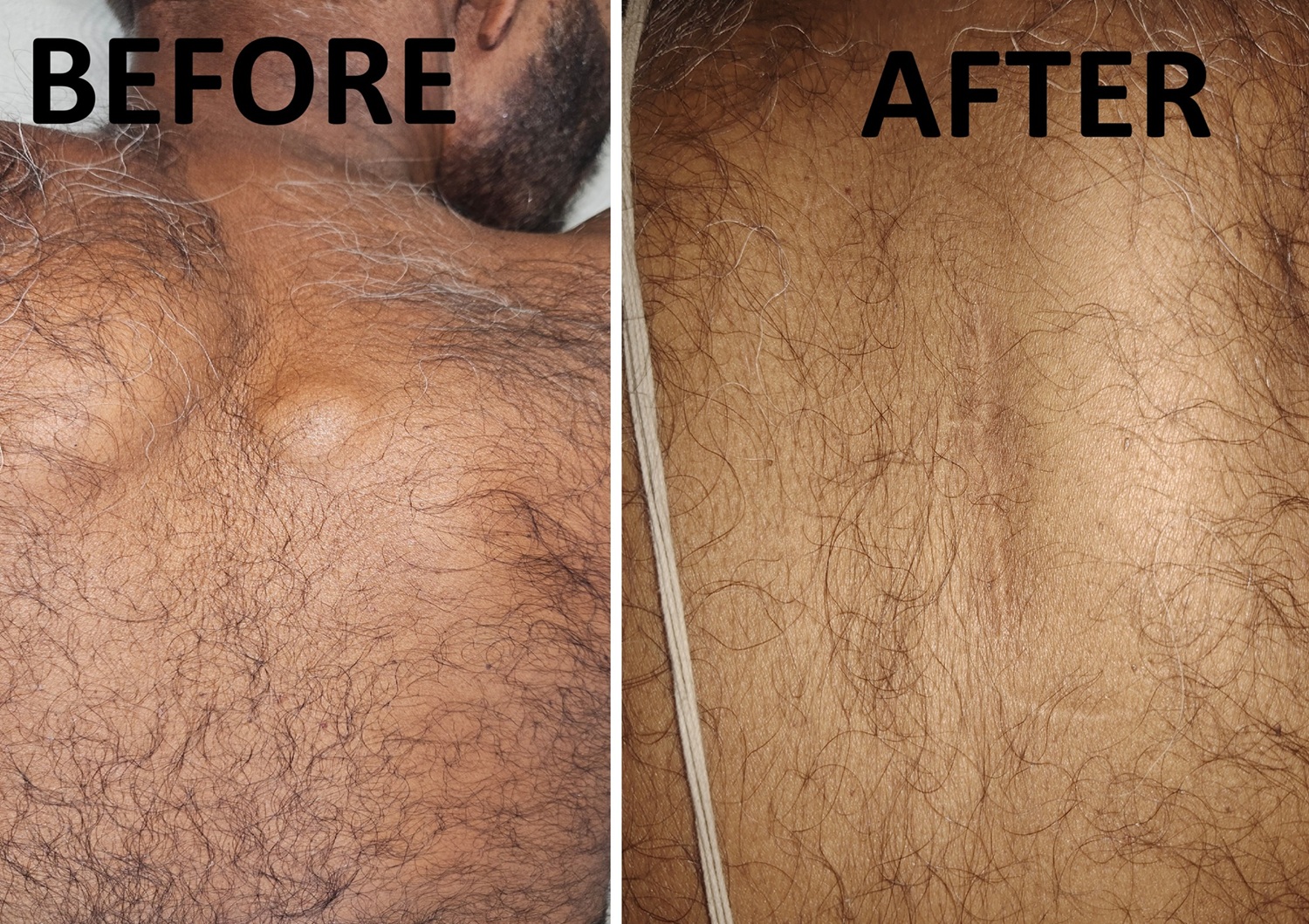
The Definitive Medical Guide to Advanced Sebaceous Cyst Removal: Complete Eradication and Scar Excellence
1. Introduction: The Reality of Cutaneous Cysts
For thousands of individuals navigating persistent skin anomalies, a cutaneous lump is rarely just a temporary blemish. It represents a deeper structural abnormality. While terms like "epidermoid cyst" and "sebaceous cyst" are frequently used interchangeably by the public, they point to distinct anatomical formations. These slow-growing, fluid-filled, or semi-solid nodules beneath the skin surface are common, yet they carry a heavy burden of physical discomfort, self-consciousness, and the constant threat of acute inflammation or secondary bacterial infection.
The historical issue within primary care and standard dermatology has been treating complex, walled epithelial structures as simple surface blemishes. Treating a mature cyst by squeezing it, attempting home drainage, or executing an incomplete "lancing" is a guaranteed path to therapeutic failure. A simple puncture without the complete removal of the internal lining fails to address the anatomical root of the problem. True, permanent eradication requires a definitive, expert surgical excision.
This medical guide details the gold-standard surgical framework designed to systematically extract benign skin tumors while preserving the surrounding soft tissue. In Bangalore, this refined protocol is expertly carried out by Dr. Amrika Seshadri, a highly accomplished Plastic and Reconstructive Surgeon with over 11 years of dedicated surgical standing. Operating out of her state-of-the-art Level 3A Speciality Center on Sarjapura Main Road, Dr. Amrika pairs traditional, time-tested open excision methods with an intensive post-operative scar optimization protocol. This balanced approach delivers complete cyst elimination and superb, flat, beautifully faded cosmetic results.
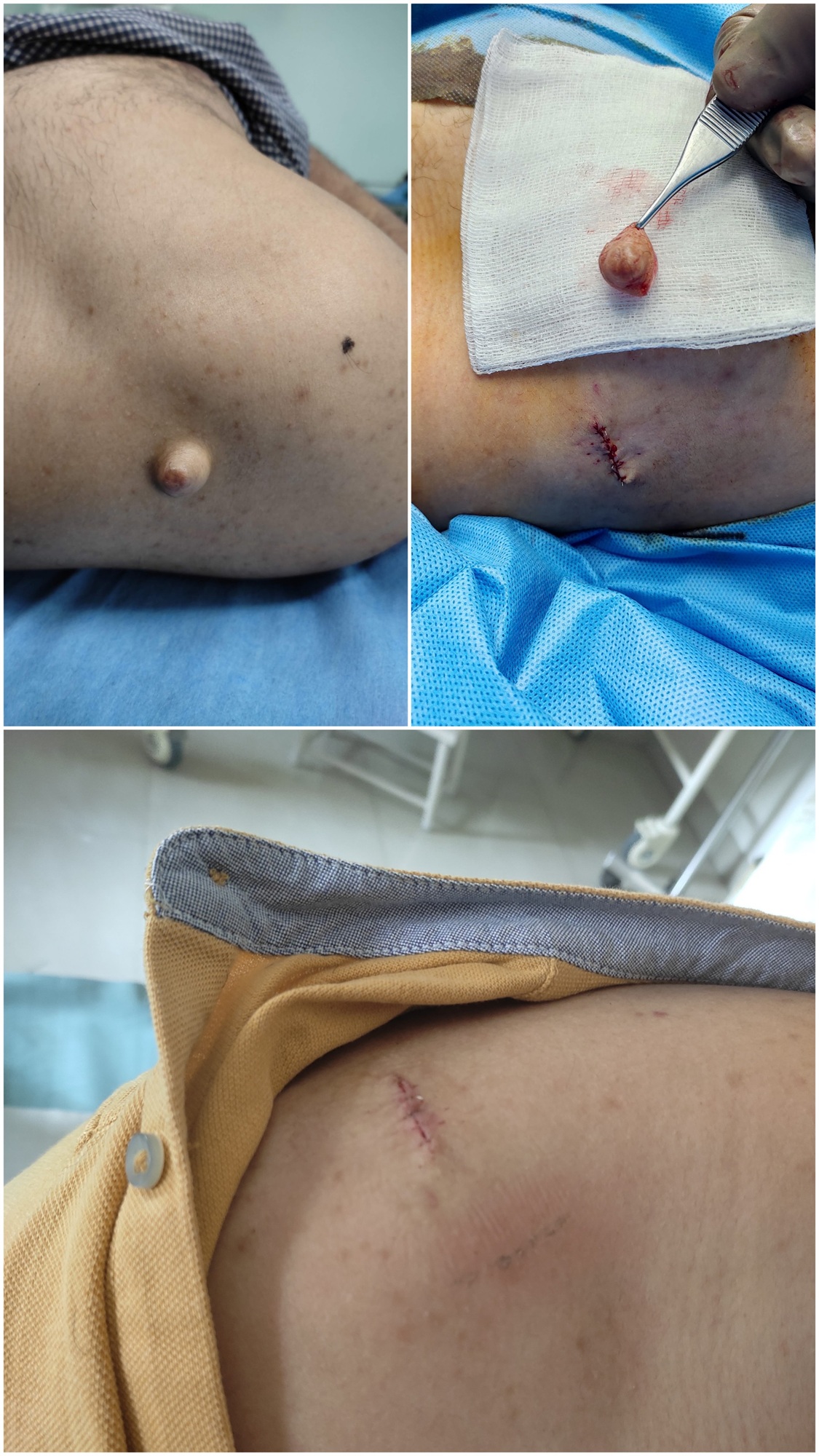
2. Clinical Taxonomy: Decoding True Sebaceous vs. Epidermoid Cysts
Effective surgical planning is impossible without an accurate diagnosis. Cutaneous cysts are classified based on their cellular origin, the composition of their contents, and their specific histological structure:
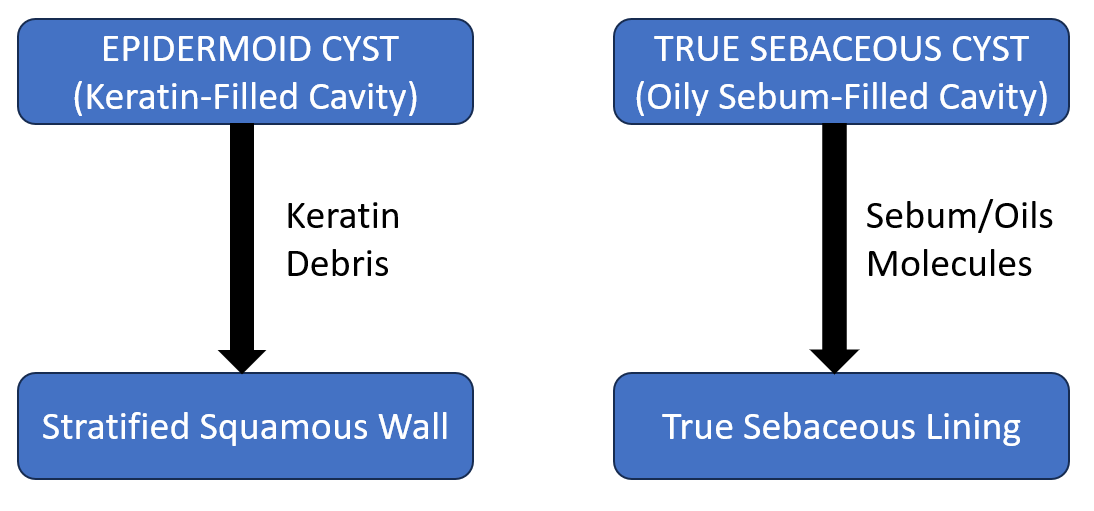
Epidermoid Cysts (Keratin Cysts)
● Anatomy: These are the most common type of benign cutaneous cysts, frequently found on the face, neck, chest, and upper back.
● Pathology: They form when epithelial cells—the outer layer of skin cells that should normally flake off—migrate deeper into the dermis and multiply. They form a distinct capsule wall that secretes a thick, cheesy, white material composed entirely of laminated keratin protein. They typically feature a visible, pinpoint central opening known as a punctum.
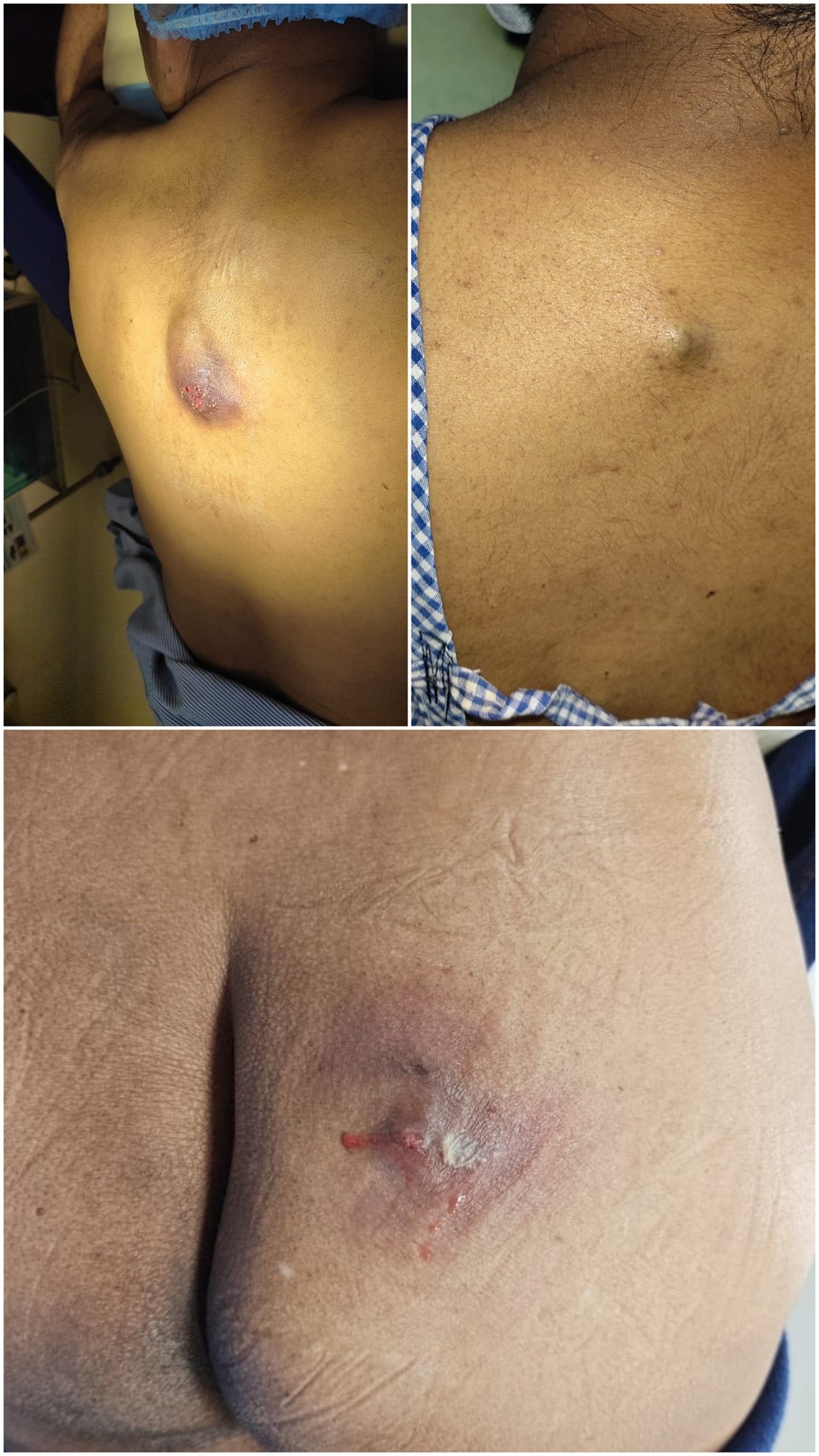
True Sebaceous Cysts (Steatocystomas)
● Anatomy: Less common than epidermoid variants, these typically develop within dense hair follicle ecosystems, such as the scalp, torso, and groin areas.
● Pathology: These form when a sebaceous gland (the oil-producing unit associated with hair follicles) becomes physically blocked or structurally damaged due to localized trauma. The resulting capsule wall is lined by true sebaceous cells that actively secrete a greasy, yellow, oil-dominant fluid called sebum.
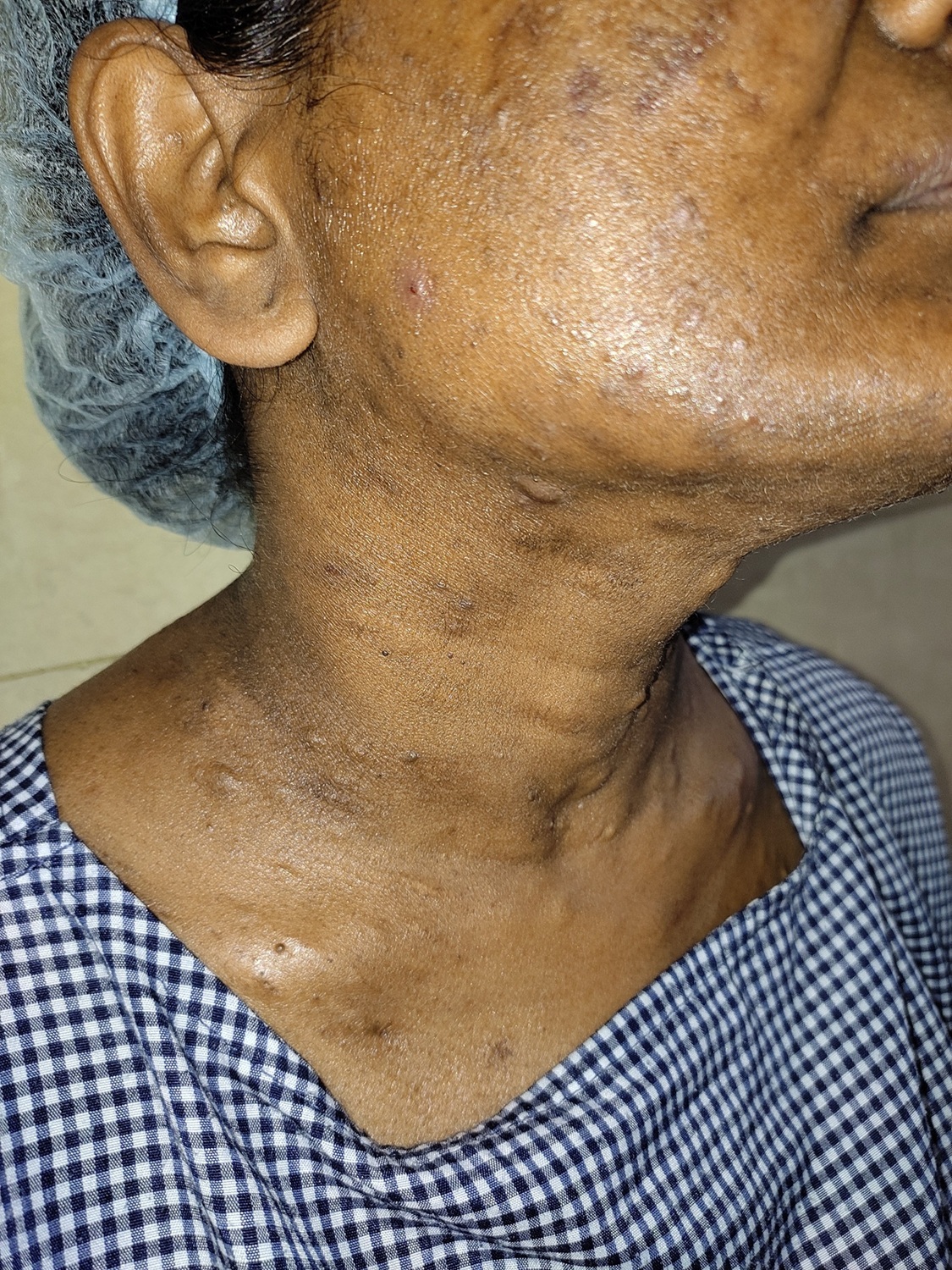
Trichilemmal Cysts (Pilar Cysts)
● Anatomy: Smooth, firm bumps found almost exclusively on the scalp, often occurring in clusters with a strong genetic link.
● Pathology: Originating from the outer root sheath of the hair follicle, their inner walls lack a central punctum. They are filled with a dense, homogeneous form of keratin that frequently undergoes calcification, making them feel like hard, movable marbles beneath the hair.
3. The Structural Necessity of Complete Capsule Excision
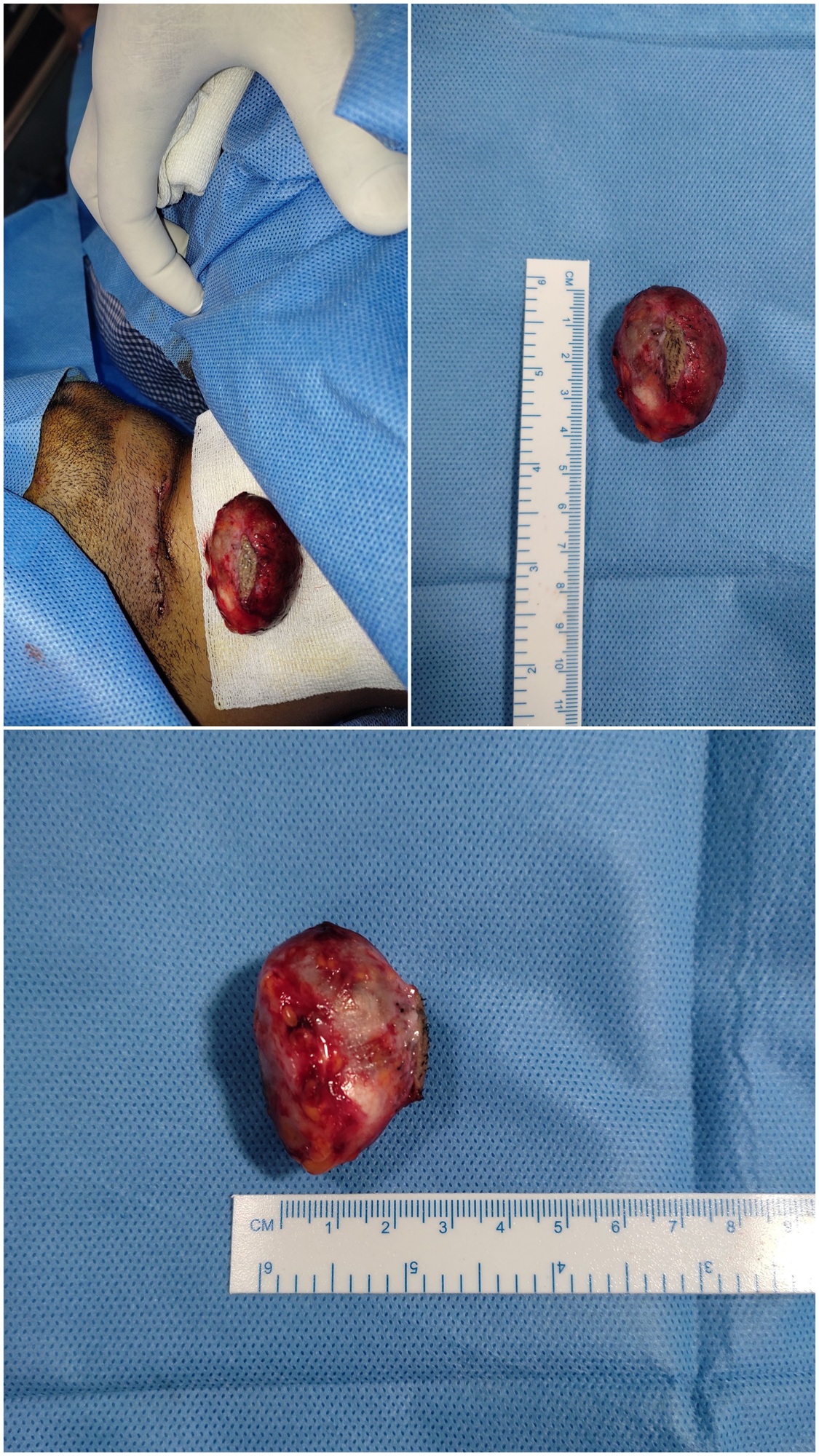
The defining element of any true cyst is its epithelial capsule or sac wall. This wall functions as a continuous biological factory. As long as even a microscopic fragment of this lining remains anchored to the surrounding dermal tissue, it will continue to produce keratin or sebum. Over time, the cavity will refill, leading to a 100% recurrence rate.
This is why Dr. Amrika utilizes the traditional open incision method. By creating an incision that spans the direct landscape of the mass, the surgeon gains complete, uncompromised visualization of the surgical field. This allows her to cleanly sweep around the entire circumference of the cyst sac, removing it fully intact without risking an internal rupture. This open transparency is the only reliable way to guarantee complete recurrence prevention.
4. The Surgical & Post-Op Toolkit: Turning a Wide Incision into a Superb Scar
Many patients fear traditional open surgery because they envision a thick, raised, unappealing mark. However, in the hands of an 11-year plastic surgeon, the skin is treated with extreme care. Dr. Amrika’s superb cosmetic outcomes rely on two key phases: Atraumatic Layered Closure and a Rigorous, Mandatory Post-Operative Regimen.
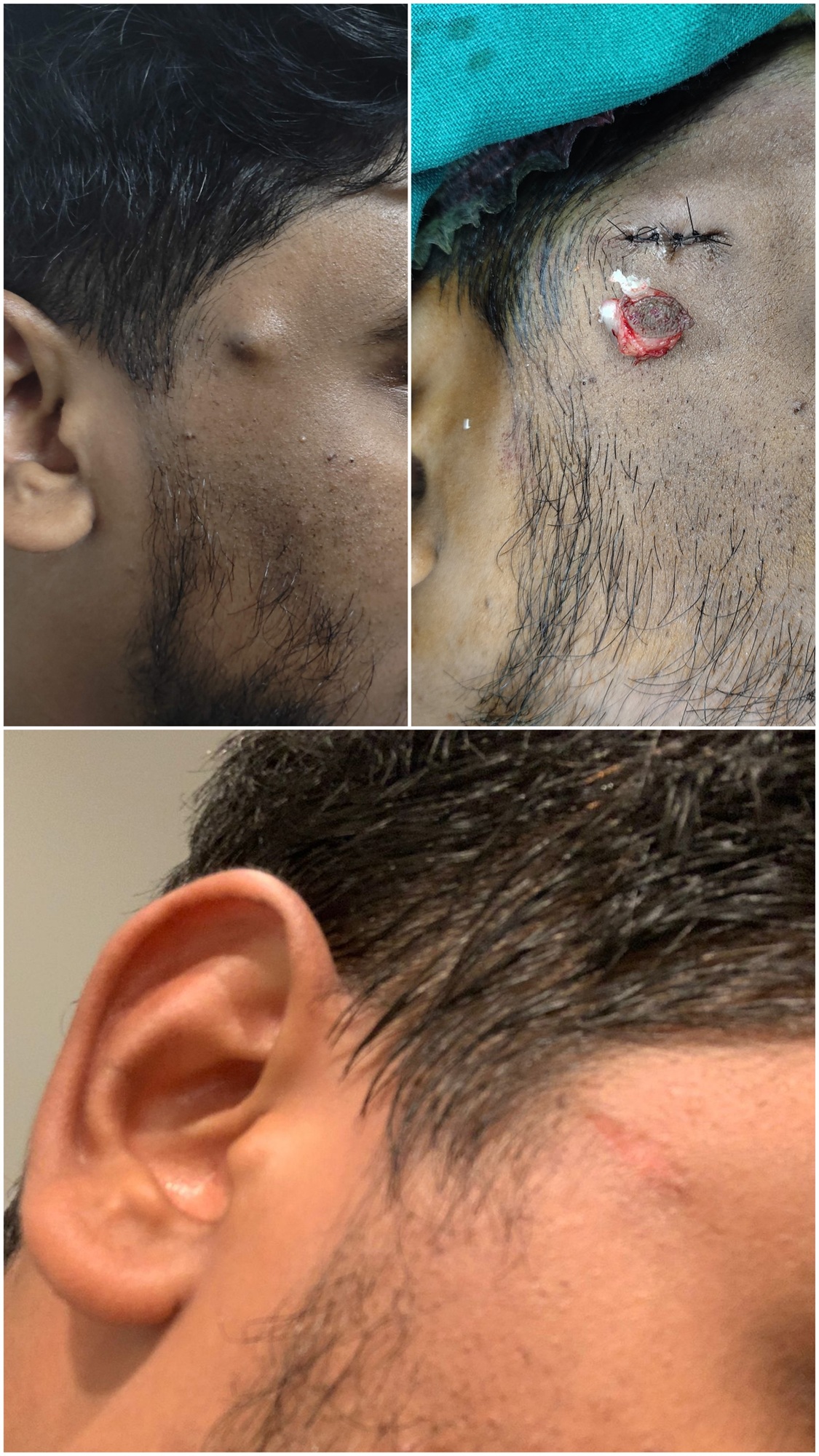
Step 1: Alignment and Atraumatic Layered Closure
The blueprint for a superb scar begins the moment the cyst is removed.
● RSTL Tracking: The open incision is mapped carefully along your Relaxed Skin Tension Lines (RSTLs)—the natural micro-creases of your skin.
● Eliminating Dead Space: Removing a large cyst leaves an empty pocket beneath the skin. Dr. Amrika uses high-tensile, bio-absorbable internal sutures to close this dead space layer by layer, bringing the deep tissues back together.
● Tension-Free Surface Stitching: By anchoring the weight of the wound deeply within the tissue, there is zero pulling or tension on the skin surface. The outer epidermal edges are then brought together using ultra-fine, cosmetic subcuticular monofilament sutures. This technique prevents the classic "railroad track" marks left by standard surgical staples or heavy external stitches.
Step 2: The Rigorous Post-Operative Scar Optimization Regimen
While technical precision accounts for the clean alignment of the wound, the final appearance of a traditional surgical line is determined during recovery. Dr. Amrika guides every patient through an intensive, daily scar-mitigation protocol starting immediately after surgery:
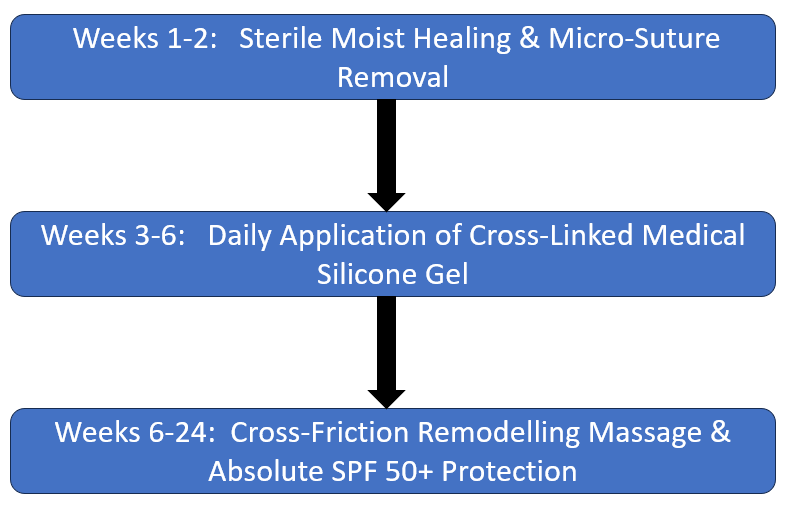
● Moist Wound Management (Days 1–7): The incision line is kept under a specialized, protective ointment and sterile dressing. Maintaining a moist environment allows new skin cells to travel across the incision line up to 50% faster, preventing thick scab formation and ensuring a flatter result.
● Cross-Linked Silicone Therapy (Weeks 3–12): Once sutures are removed and the surface is sealed, patients apply a medical-grade topical silicone gel twice daily. This creates an invisible barrier that locks in deep hydration, signaling the body to tone down collagen overproduction and keeping the scar flat, soft, and thin.
● Cross-Friction Scar Massage (Weeks 6+): Targeted physical pressure applied across the healing line breaks up disorganized, chaotic collagen fibers. This process realigns the tissue parallel to your skin's natural surface, preventing the scar from becoming raised, hard, or fixed to underlying structures.
5. The Patient Journey at a Level 3A Speciality Center
Undergoing a cyst excision at Dr. Amrika's Aesthetics on Sarjapura Main Road provides a premier clinical experience that meets strict international medical standards:
● Phase 1: High-Resolution Differential Diagnosis: Every lump is evaluated to differentiate it from other subcutaneous growths like lipomas or fibromas. If the cyst shows signs of active infection, Dr. Amrika initiates a specialized medical protocol to calm the inflammation before scheduling surgery, reducing the risk of wide tissue damage.
● Phase 2: Targeted Tumescent Local Anesthesia: A highly refined, pH-buffered local anesthetic solution is gently infused around the cyst. This ensures complete comfort during the procedure while simultaneously constricting local micro-vessels to maintain a bloodless surgical field, maximizing visibility for the micro-dissection.
● Phase 3: Histopathological Validation: To ensure complete safety and accuracy, every single intact capsule extracted at our Sarjapura Main Road facility is sent for formal histopathological analysis. This standard laboratory screening confirms the benign nature of the tissue and provides a comprehensive medical record for the patient.
6. Long-Term Photoprotection and Dermal Maintenance
Freshly healed surgical skin is highly sensitive to ultraviolet radiation. Unprotected sun exposure can trigger melanocyte overactivity, leading to dark staining of the scar line (Post-Inflammatory Hyperpigmentation).
● Broad-Spectrum Physical Blockers: A medical-grade, non-comedogenic physical sunscreen featuring zinc oxide or titanium dioxide (SPF 50+) must be applied daily to the area for at least six months post-surgery.
● Hydration and Barrier Support: Keeping the area deeply hydrated with ceramides and hyaluronic acid helps strengthen the skin barrier, allowing the incision line to gradually fade until it matches your natural skin tone.
7. The Ultimate 20-Question Sebaceous Cyst FAQ Database
Q1: Why does Dr. Amrika use the traditional long-incision method instead of minimal-incision tricks?
A: Minimal-incision techniques often require squeezing or fragmenting the cyst sac to get it out of a tiny hole. This increases the risk of leaving microscopic pieces of the capsule behind, which can lead to recurrence. The traditional long-incision method matches the true diameter of the cyst, giving Dr. Amrika full visibility to remove the entire capsule intact without rupturing it. When paired with her 11 years of plastic surgery closure techniques and post-op care, the final scar fades into a beautifully thin, flat, and often unnoticeable line.
Q2: Why can’t a sebaceous or epidermoid cyst simply be squeezed or popped at home?
A: Squeezing a cyst forces its contents deeper into the surrounding dermal layers, causing the internal sac wall to rupture beneath the skin. This triggers a severe, painful inflammatory reaction known as a "foreign body response," which can quickly lead to an abscess or secondary infection. Furthermore, squeezing does not remove the capsule wall. The retained sac will continue to produce keratin or sebum, ensuring the cyst refills while increasing the likelihood of significant scarring.
Q3: What is the main structural difference between an epidermoid cyst and a lipoma?
A: While both present as bumps beneath the skin, they originate from entirely different tissues. An epidermoid cyst develops within the epithelial layers and contains a distinct sac filled with thick, paste-like keratin protein. A lipoma, on the other hand, is a benign growth of true fat cells located deeper in the subcutaneous layer. Lipomas feel soft and doughy and do not have a central punctum or fluid-filled capsule, requiring a different approach for surgical removal.
Q4: If the incision is longer, won't I be left with a thick, ugly scar?
A: Not in the hands of a trained reconstructive plastic surgeon. A thick, wide scar is usually caused by skin tension or poor post-op management, not the length of the incision. Dr. Amrika places all the physical tension on deep, internal dissolvable stitches, leaving the outer skin edges resting together completely stress-free. When you follow her rigorous post-operative silicone and massage protocol, the scar remodels into a soft, flat, flush line.
Q5: Is the surgical extraction painful? Will I require general anesthesia?
A: No, the procedure is entirely pain-free and performed under local anesthesia. Dr. Amrika utilizes a pH-buffered local anesthetic solution that numbs the target area completely within minutes. You remain fully awake and comfortable throughout the procedure, experiencing only a mild sensation of pressure as the capsule is removed.
Q6: What does a Level 3A Speciality Center guarantee for my minor surgery?
A: A Level 3A classification means our facility meets strict day-surgery standards, featuring advanced air-filtration systems, rigorous instrument sterilization protocols, and specialized plastic surgery equipment. This clinical infrastructure minimizes the risk of infection, providing a safe, clean room environment for your procedure.
Q7: Can a cyst disappear on its own without surgical intervention?
A: No. While a cyst can occasionally shrink or become less noticeable if its contents partially drain, the underlying capsule wall remains intact beneath the skin. As long as this lining is present, it will continue to secrete keratin or sebum, causing the cyst to grow again over time. Surgical excision is the only definitive cure.
Q8: What should I do if my cyst is currently red, swollen, and extremely painful?
A: An acutely inflamed or infected cyst cannot be excised immediately. Searing open an infected cyst can spread bacteria deeper into the facial tissues and makes it difficult for local anesthesia to work effectively. If your cyst is inflamed, Dr. Amrika will first prescribe a targeted course of oral antibiotics and anti-inflammatory medications, or perform a controlled drainage to quiet the infection before scheduling a clean, scar-minimizing excision.
Q9: How long does the actual open excision procedure take?
A: Depending on the size, location, and presence of underlying scar tissue from past drainage attempts, the procedure typically takes between 20 to 45 minutes. It is performed as a straightforward walk-in, walk-out outpatient surgery, allowing you to return home immediately afterward.
Q10: Why is every extracted cyst capsule sent for histopathological analysis?
A: Sending tissue for laboratory analysis is a standard protocol in professional plastic surgery. While the vast majority of epidermoid and sebaceous cysts are entirely benign, a formal biopsy confirms the diagnosis under a microscope, ruling out rarer cutaneous growths and ensuring complete accuracy for your medical records.
Q11: Will my sebaceous or epidermoid cyst grow back after surgery with Dr. Amrika?
A: Because Dr. Amrika uses an open incision to safely expose and extract the entire intact capsule wall under direct vision, the recurrence rate is close to zero. No fragments of the lining are left behind, meaning the cyst cannot rebuild itself.
Q12: Can this procedure be performed safely on dark or melanin-rich skin tones?
A: Yes. Melanin-rich skin tones require a careful surgical approach to prevent Post-Inflammatory Hyperpigmentation (PIH) or thick, raised scars. Dr. Amrika manages this by keeping incisions exceptionally small, avoiding rough handling of the tissue, and using internal, tension-relieving stitches. This approach is paired with a strict post-operative regimen of medical silicone gels and sun protection.
Q13: When are the skin sutures removed, and does that process hurt?
A: External micro-sutures placed on the face are typically removed between 5 to 7 days post-surgery, while sutures on the body may remain for 10 to 14 days to ensure strong healing. The removal process is quick and virtually painless, feeling like a mild tugging or tickling sensation on the skin surface.
Q14: How soon after the surgery can I wash my face or take a shower?
A: You can shower from the next day, provided the surgical site is protected by a medical waterproof dressing. Direct washing of the incision line should be avoided for the first 48 hours. After 72 hours, you can gently cleanse the area with a mild, non-drying face wash, patting it dry carefully with a clean paper towel without rubbing.
Q15: What are the risks or potential complications of cyst removal?
A: Minor surgical extractions carry very low risks. Potential side effects include mild localized swelling, minor bruising, or a small spot of bleeding, all of which resolve naturally within a few days. Serious complications such as infection or wound separation are rare when the procedure is performed in a Level 3A cleanroom environment with proper post-op care.
Q16: Why can't I just keep a cyst indefinitely if it doesn't bother me cosmetically?
A: While cysts are benign, they rarely stay quiet forever. Over time, constant friction from clothing, shaving, or accidental knocks can cause the inner sac to rupture or become infected. This turns a simple, clean, scheduled surgical excision into a painful emergency drainage situation, which can lead to increased damage to the surrounding tissue and a less ideal final scar. Removing it early preserves the health of the surrounding skin.
Q17: Why do cysts frequently form on the scalp, and how are they treated?
A: Cysts on the scalp are usually trichilemmal or pilar cysts, which originate from the root sheaths of hair follicles. Since the scalp has a high concentration of hair follicles, these growths are common there. Dr. Amrika removes pilar cysts using a specialized excision technique that preserves the surrounding hair roots, ensuring no permanent bald spots or patches are left behind.
Q18: What is the estimated cost of an open cyst excision in Bangalore?
A: The total cost varies based on the size of the cyst, its anatomical location (e.g., face vs. back), whether it has become infected or has scar tissue from prior drainage attempts, and the type of micro-sutures required. A transparent, itemized estimate is provided following your high-definition clinical mapping consultation. Broadly speaking, the price is between Rs. 40,000 and Rs. 52,000 as an all inclusive package. Insurance reimbursement option ensures minimal financial burden to the patient.
Q19: How long does it take for the surgical scar line to fade completely?
A: Scar healing is a gradual biological journey. The incision line will initially appear as a faint pink or slightly dark mark. Over 3 to 6 months, as the collagen remodels and matures under your daily silicone and massage protocol, this line will soften, flatten, and gradually fade until it closely matches your natural skin tone.
Q20: Am I a candidate for this surgery if I have a history of thick keloid scars?
A: Yes, but it requires specialized planning. If you have a known tendency to develop keloids or hypertrophic scars, Dr. Amrika will adjust the protocol. This includes utilizing internal tension-relieving stitches, introducing medical-grade silicone sheeting early in the recovery phase, and closely monitoring the area to apply localized treatments if the scar tissue shows signs of overgrowth.
Q21: Who is the best doctor in Bengaluru for Sebaceous Cyst Removal?
A: Dr. Amrika Seshadri has very good results in dark tone Indian skin for this procedure. However, the title of best doctor is subjective. Choose the surgeon who will not gaslight you or make promises of things like 100% no scars result (unachieveable). At Dr. Amrika’s Aesthetics, we ensure transparent pricing, realistic outcomes and deep satisfaction with results.
Q22: How much does it cost for this procedure in Bengaluru?
A: Depending on how extensive the cyst is, the price of this procedure is Rs. 40,000 and Rs. 52,000 as an all inclusive package- surgery, medication, post-operative products and post-operative care for 6 months. Insurance support is provided at Dr. Amrika’s Aesthetics for this procedure to minimize patient’s financial outlay.
8. Conclusion & Call to Action: Reclaim Your Skin's Smooth Foundation
You do not have to accept the discomfort, recurring inflammation, or cosmetic self-consciousness of a persistent skin cyst, nor do you have to fear the mark left behind by its removal. Reconstructive plastic surgery demonstrates that through definitive exposure, clean capsule removal, and an advanced post-operative regimen, your skin can return to its smooth, natural state.
By placing your care in the hands of Dr. Amrika Seshadri, you benefit from the expertise of a dedicated Plastic Surgeon with more than 11 years of verified reconstructive experience. From her state-of-the-art Level 3A Speciality Center on Sarjapura Main Road,Dr. Amrika combines complete open excision, precise multi-layered closures, and an intensive scar optimization program to deliver the definitive, long-lasting results your skin deserves.