
Lipomas are one of commonest benign growths which require careful handling and customized treatment plan. At Dr. Amrika’s Aesthetics on Sarjapura Main Road Bengaluru, we take into account individual preferences and surgical needs in a safe and sterile environment.
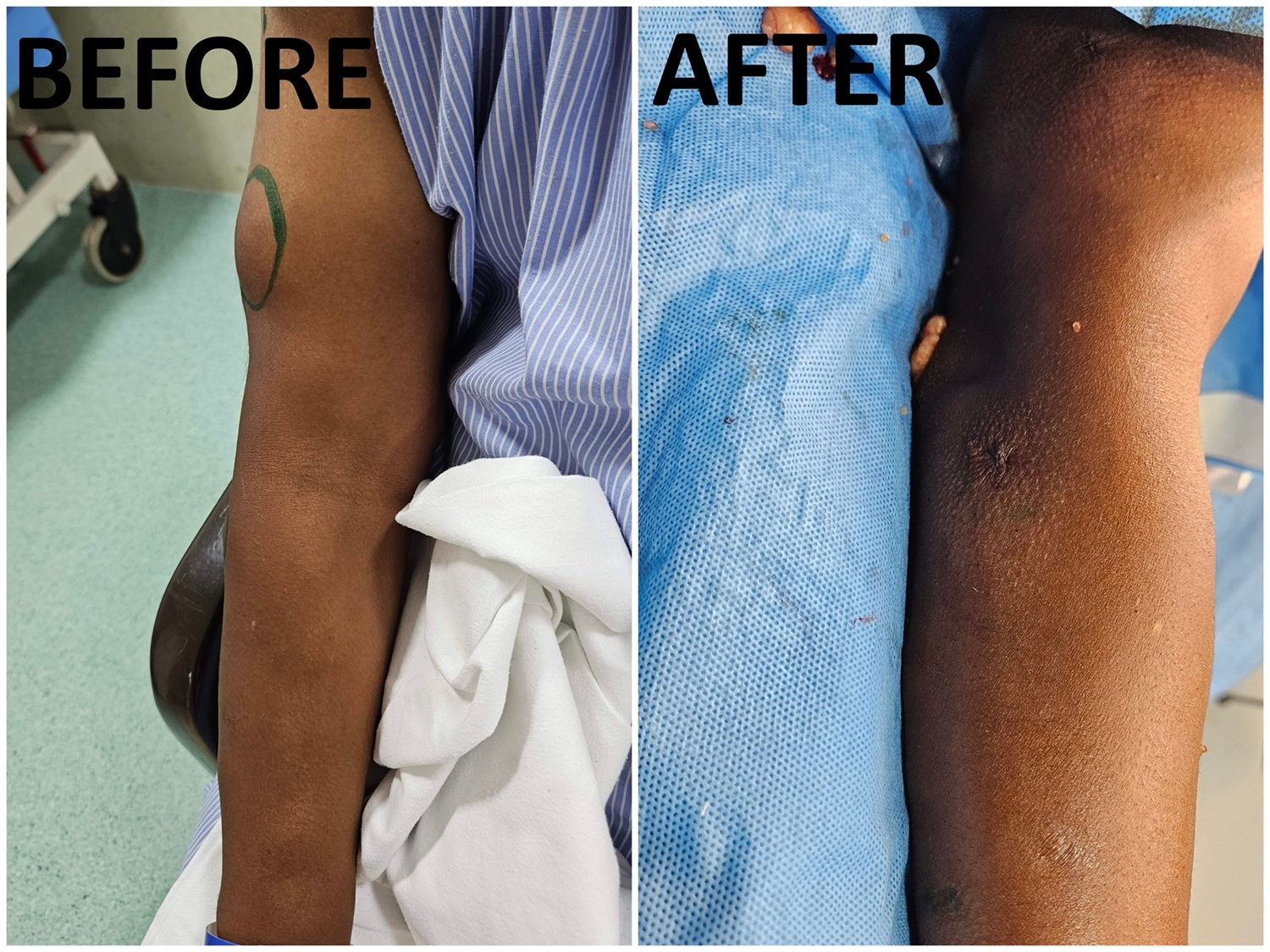
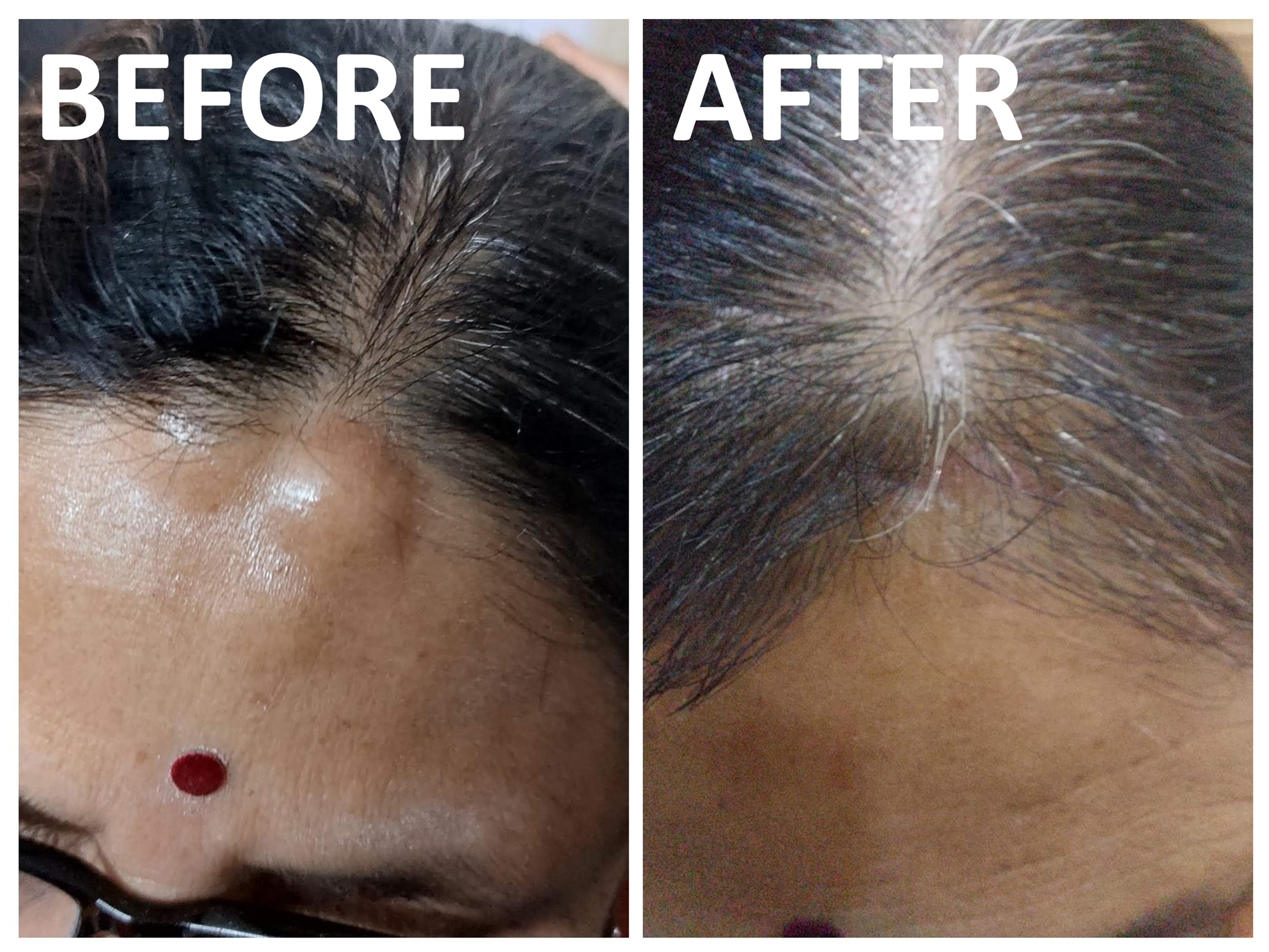
The Definitive Guide to Advanced Lipoma Removal: Minimal-Access, Hidden-Scar Strategies
1. Introduction: Beyond the Surface – The Psychological & Physical Reality of Lipomas
For many individuals, a lipoma is introduced during a routine medical checkup with a dismissive phrase: "It’s just a benign fatty lump. If it doesn't hurt, leave it alone." While clinically well-intentioned, this advice fundamentally overlooks the lived experience of carrying a visible or palpable subcutaneous mass. A lipoma rarely remains a static, forgotten entity. As these benign adipose tumors grow, they cross a threshold from a minor physiological quirk to a persistent source of self-consciousness, physical discomfort, and psychological distress.
Living with one or more lipomas often alters how a person interacts with the world. It dictates clothing choices—forcing high collars, loose sleeves, or pants designed to camouflage a bulging contour. It introduces anxiety during physical intimacy or public activities like swimming, where the mass cannot be easily hidden. Furthermore, large lipomas can press against underlying fascia, muscles, or peripheral nerves, transforming a "painless lump" into a source of chronic, dull aching or sharp localized discomfort.
Dismissing these concerns as purely "vanity-driven" fails to recognize the profound connection between bodily symmetry and mental well-being. Wanting a smooth, uncompromised silhouette is not superficial; it is a fundamental desire for physical comfort and confidence.
The primary barrier keeping patients from seeking treatment is not a lack of desire to be rid of the lump, but rather a profound fear of the treatment itself. Traditional surgical descriptions often conjure images of long, jagged red scars that simply trade an aesthetic protrusion for an equally conspicuous surgical mark.
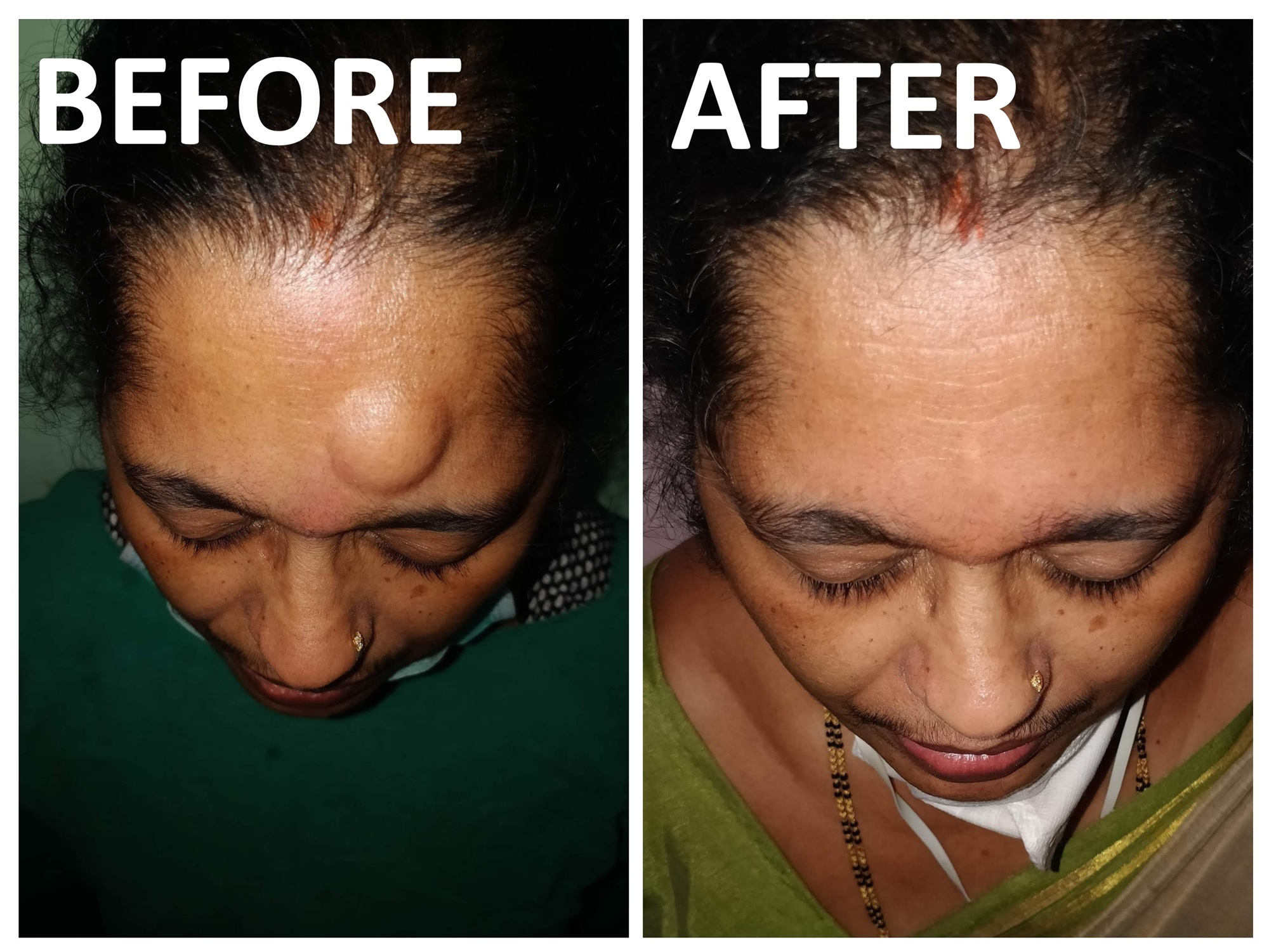
Fortunately, modern plastic surgery has undergone a paradigm shift. Today, the objective of lipoma removal is twofold: complete, definitive eradication of the lipoma capsule to prevent recurrence, achieved through a highly sophisticated, minimal-access, hidden-scar strategy. This patient-first philosophy is championed by Dr. Amrika Seshadri, a premier Plastic and Reconstructive Surgeon with over a decade of dedicated surgical standing. At her bespoke Level 3A Speciality Center on Sarjapura Main Road, Dr. Amrika has elevated lipoma excision into a fine art, ensuring patients no longer have to choose between a bulge and a prominent scar.
2. What is a Lipoma? Clinical Truths vs. Common Myths
To understand how modern surgery conceals the removal process, one must first understand what a lipoma actually is—and what it is not.
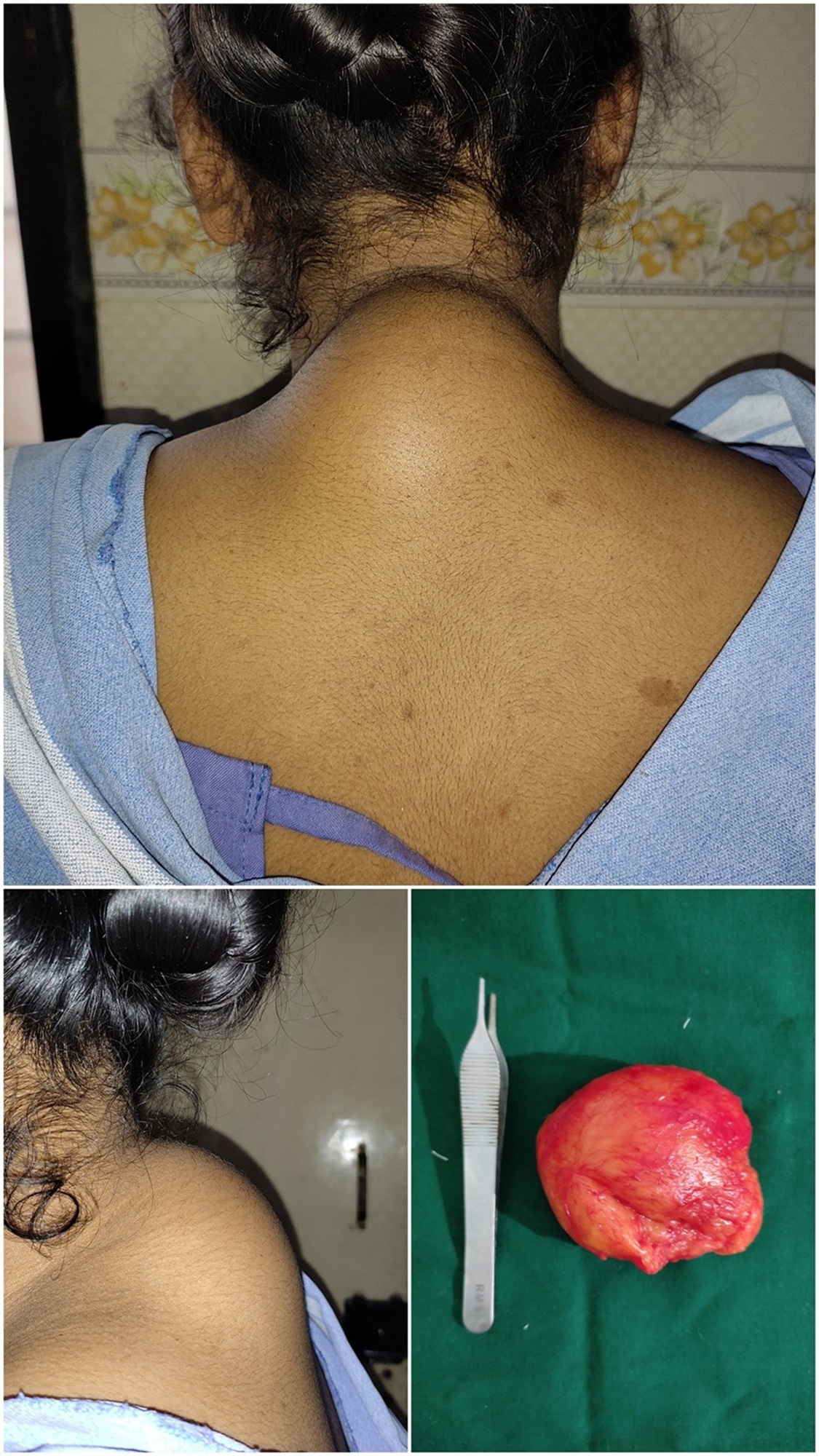
The Pathophysiology of Adipose Tumors
A lipoma is a benign tumor composed of mature fat cells (adipocytes) grouped together and encased within a thin, fibrous capsule. Unlike the generalized subcutaneous fat layer that sits evenly beneath your skin, a lipoma is a localized overgrowth. It is soft, typically mobile under the fingers, and grows at an exceedingly slow rate over several years.
While they can develop anywhere fat cells exist, they are most frequently found on the:
● Forearms and upper arms
● Shoulders and neck
● Back and torso
● Thighs
Debunking Internet Myths
Because lipomas are made of fat, a pervasive myth dominates online wellness spaces: that lipomas can be starved away through rigorous dieting, fasting, or topical herbal poultices. This is physiologically impossible. The adipocytes within a lipoma capsule are metabolically isolated from the rest of the body’s fat stores. If a patient loses significant weight through diet and exercise, the normal subcutaneous fat surrounding the lipoma will shrink, while the encapsulated lipoma remains exactly the same size. Paradoxically, losing weight often makes a lipoma look more prominent, as the surrounding tissue recedes.
Myth vs. Reality Matrix
● The Myth: Lipomas can be dissolved naturally via clean eating, weight loss, or topical essential oils.
● The Reality: Lipoma fat cells are locked securely inside a fibrous capsule, completely cut off from normal metabolic burning. Only physical removal resolves the mass.
The Critical Distinction: Lipoma vs. Cyst vs. Sarcoma
During your initial clinical evaluation, it is crucial to differentiate a lipoma from other subcutaneous masses:
● Epidermoid Cysts: These are often confused with lipomas but are filled with keratin (a cheesy, foul-smelling protein). Cysts are typically fixed to the overlying skin and feature a central punctum (a small blackhead-like opening). They are prone to painful infections and inflammation, whereas lipomas rarely become infected.
● Liposarcoma: This is an exceedingly rare, malignant form of fatty cancer. Unlike benign lipomas, liposarcomas are generally deep-seated, rock-hard, completely immobile (fixed to underlying bone or muscle), and grow at a rapid, aggressive pace.
Any new, rapidly changing, or hard mass should immediately be evaluated by an expert specialist utilizing diagnostic ultrasound or MRI to confirm its benign nature before any intervention.
3. The Extensive Patient FAQ Database
Q1: Can a lipoma turn into cancer over time?
A: No. A lipoma is a benign neoplasm of mature fat cells. Extensive medical research has demonstrated that a benign lipoma does not mutate, transform, or degenerate into a malignant liposarcoma. They are completely separate clinical entities. If a mass was genuinely a lipoma at its onset, it will always remain a benign lipoma.
Q2: Will my lipoma grow back after it is removed?
A: When a lipoma is excised meticulously along with its entire outer fibrous capsule, it will not recur in that exact spot. Recurrence rates are exceptionally low (under 1–2%) and are almost exclusively caused by incomplete removal, where microscopic fragments of the capsule were left behind. Dr. Amrika’s 11 years of reconstructive experience ensure a microscopic, clean dissection along the capsular plane to guarantee definitive results.
Q3: Why am I developing multiple lipomas all over my body?
A: Developing numerous lipomas across the limbs and torso is often linked to a genetic predisposition known as Familial Multiple Lipomatosis. This is an inherited condition where the body naturally triggers localized overgrowths of fat cells over time. While frustrating, it is entirely benign. A hidden-scar strategy is especially beneficial for these patients, as multiple lumps can be removed through shared, strategically placed micro-incisions to avoid widespread scarring.
Q4: Is lipoma removal covered by health insurance?
A: Coverage depends entirely on medical necessity. If a lipoma is completely asymptomatic and its removal is desired purely for cosmetic contouring, insurance providers generally view it as elective and will not cover the cost. However, if the lipoma is causing documented chronic pain, pressing against a nerve, rapidly increasing in size, restricting your range of motion, or interfering with daily functional activities, it is classified as medically necessary.
Q5: How much pain should I expect during and after the procedure?
A: During the procedure, you will feel absolutely no pain. The advanced tumescent anesthesia completely numbs the entire treatment area; you may only feel light pressure as the mass is removed. After the anesthesia wears off, most patients report a mild, localized ache similar to a deep bruise. This post-operative discomfort is highly manageable and typically resolves within 48 to 72 hours, rarely requiring anything stronger than standard over-the-counter pain relievers like acetaminophen or ibuprofen.
Q6: Can lipomas be dissolved with an injection instead of surgery?
A: While fat-dissolving injections exist for reducing generalized subcutaneous fat pockets like double chins, they are generally not an approved or reliable primary treatment for encapsulated lipomas. Injections cannot reliably break down the tough, fibrous outer capsule. Furthermore, attempting to chemically dissolve a lipoma can lead to uneven, irregular contour defects, localized tissue necrosis, and a high rate of partial recurrence. Complete surgical extraction remains the gold standard for definitive, smooth results.
Q7: How long does the actual surgical procedure take?
A: For a standard, single lipoma ranging from 2 to 5 centimeters, the procedure is remarkably efficient—often completed in just 20 to 45 minutes from the first incision to the final layered cosmetic closure. Larger, intramuscular, or multiple lipomas will naturally require a longer, more detailed surgical window.
Q8: Will I be left with a hollow dent or crater where the lump used to be?
A: This is a common and valid concern. When a significant volume of tissue is removed, it creates an empty space. Expert hidden-scar surgeons prevent contour depressions by performing advanced deep-tissue remodeling. By mobilizing adjacent subcutaneous fat cells and closing the deep structural layers with dissolvable sutures, the surrounding tissue naturally fills the space, ensuring a flat, smooth, and beautifully integrated surface contour.
Q9: When can I return to work and exercise after my procedure?
A: Most patients undergoing localized, minimal-incision removals return to sedentary desk work the very next day. If your profession involves strenuous physical labor or heavy lifting, you may need a modified schedule for 5 to 7 days. Heavy weightlifting, intense cardio, and swimming should be paused for roughly two weeks to allow the delicate deep structural stitches to heal securely without stretching the incision line.
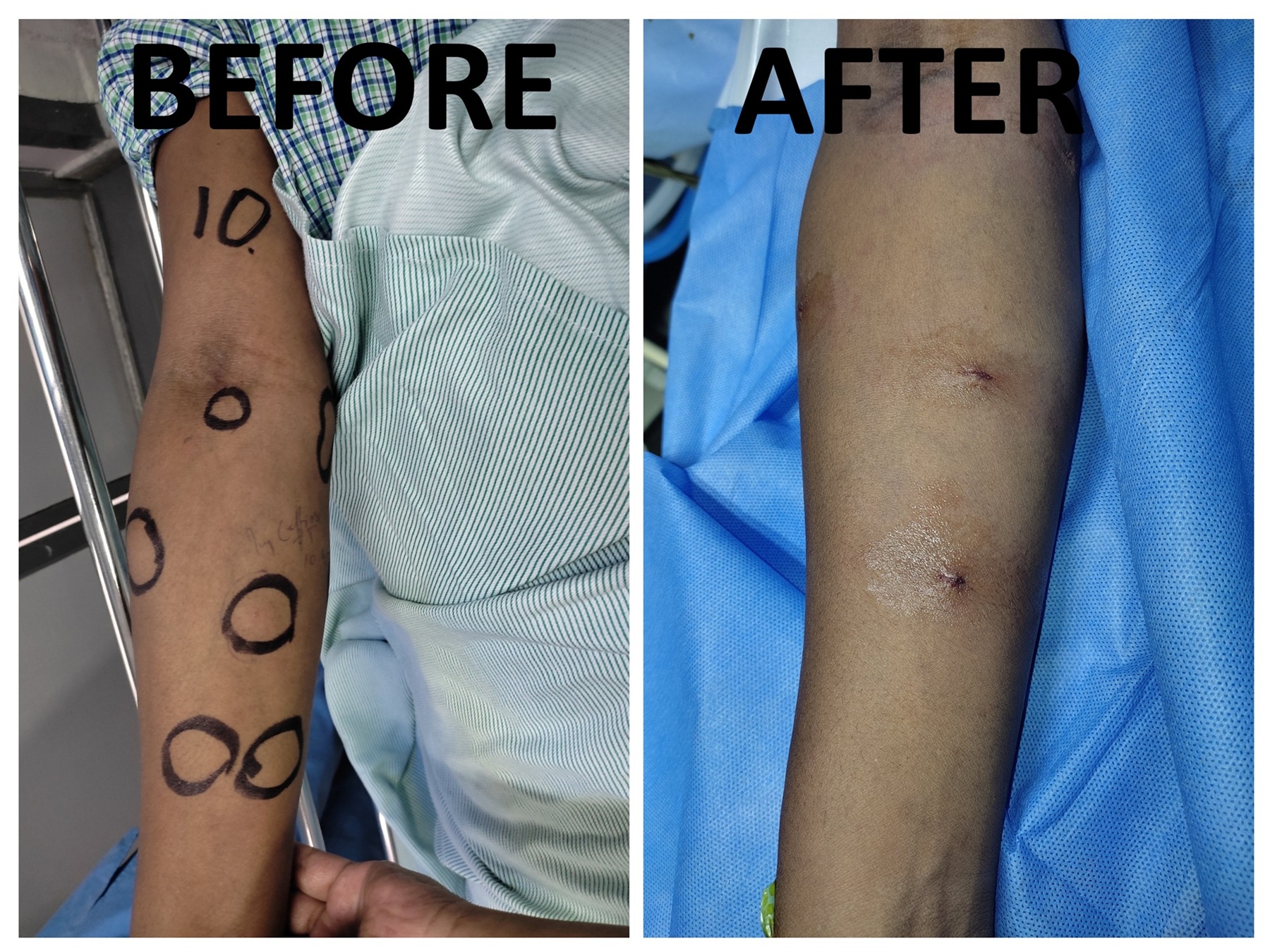
Q10: What happens to the lipoma tissue once it is taken out?
A: Standard, rigorous medical protocol dictates that every single piece of human tissue removed during surgery must be sent to an independent pathology laboratory for formal histological analysis. A board-certified pathologist will examine the tissue under a microscope to definitively confirm its benign lipoma structure, providing you with absolute medical confirmation and complete peace of mind.
Q11: Who is the Best Plastic Surgeon in Bengaluru for Lipoma Removal?
A: This question is best answered in 2 parts:
1. The most qualified surgeon for this procedure is a Plastic Surgeon. This is because a Plastic Surgeon is obsessed with minimal scarring and smooth recovery. Dr. Amrika Seshadri has been engaged in providing this service for the past 11 years and has a great deal of experience.
2. Patient comfort and confidence is paramount for this procedure to work perfectly. Choose a qualified Plastic Surgeon who helps you understand your best solution.
4. The Evolution of Surgical Removal: Traditional vs. Modern Advanced Techniques
Historically, surgical removal followed a simplistic blueprint: create an incision that spans the entire diameter of the lipoma, dissect it out, and stitch the skin back together. If a lipoma was 5 centimeters wide, the patient received a 5-centimeter scar directly over the center of the lump.
While technically successful in removing the tumor, this approach ignored the cosmetic outcome. Large, high-tension incisions on highly visible areas like the shoulders, back, or arms often heal poorly. Over time, the constant movement of muscles stretches these scars, leaving behind wide, flat, or hypertrophic tracks that can remain red and raised for years.
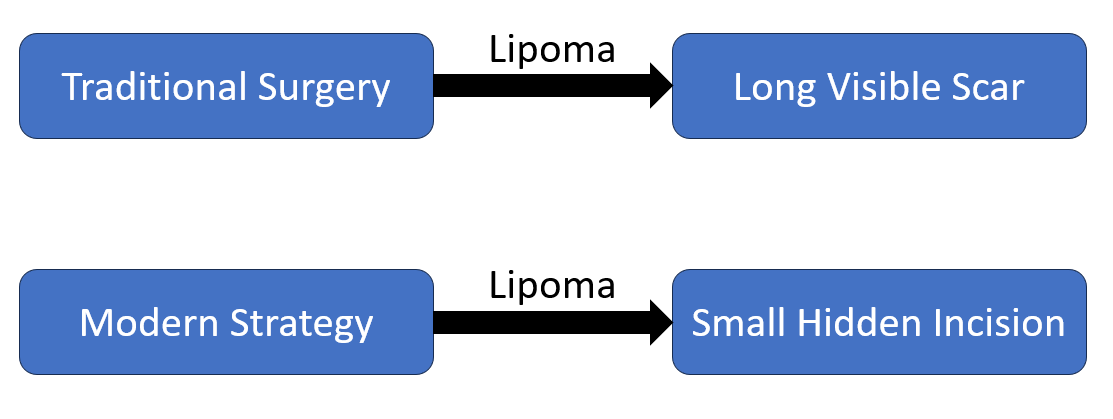
Modern minimal-scar surgery treats the skin not just as a barrier to cut through, but as a dynamic, living canvas. By employing microscopic access points, specialized instruments, and anatomical placement, expert surgeons can now extract massive lipomas through openings that are a mere fraction of the tumor's actual size.
5. The Minimal & Hidden-Scar Strategy: The Art of Hidden Incisions
The cornerstone of advanced lipoma removal is not just how the tissue is extracted, but where and how the incision is placed. This strategy relies on two fundamental pillars of plastic surgery:Langer’s Lines and Anatomical Shadowing.
Harnessing Langer's Lines (Relaxed Skin Tension Lines)
The human skin is under constant natural tension, organized in distinct, predictable patterns across the body known as Langer’s Lines or relaxed skin tension lines. These lines correspond to the natural orientation of collagen fibers in the dermis.
If a surgeon places an incision across or perpendicular to these lines, the natural movement of the body pulls the wound edges apart, causing a wide, highly visible scar.
Conversely, when an incision is aligned precisely within or parallel to a Langer’s Line, the natural tension of the body pushes the wound edges together. This natural compression minimizes tension on the stitches, allowing the body to heal with a scar that looks like nothing more than a natural skin crease or fine wrinkle.
Anatomical Shadowing and Hiding Zones
If a lipoma sits on a highly visible plane—such as the center of the forehead or the top of the shoulder—a hidden-scar surgeon will look for adjacent "hiding zones." These include:
● The Hairline: For forehead or upper neck lipomas, the incision can often be placed just inside the hair-bearing scalp, making the final scar invisible to the naked eye.
● Natural Folds and Creases: Utilizing the inframammary fold, axillary (underarm) creases, or the natural creases of the neck to mask the entry point.
● Shadow Boundaries: Placed along the structural borders of muscles (such as the groove between the deltoid and pectoral muscles), where natural shadows mask subtle color variations in healing skin.
6. Advanced Micro-Incision Techniques & Minimal-Access Surgery
How do you fit a large, solid object through a tiny opening? It requires advanced surgical maneuvers designed to safely manipulate the lipoma tissue inside its subcutaneous pocket.
The "Squeeze" Technique (Minimal-Incision Excision)
For soft, highly mobile lipomas, the squeeze technique is a revolutionary approach. The surgeon makes an incision that is often less than one-third the diameter of the lipoma. Using meticulous blind dissection with specialized, blunt-tipped instruments, the surgeon detaches the fibrous capsule from the surrounding tissue from the inside out.
Once the lipoma is fully freed from its attachments, the surgeon applies firm, calibrated pressure to the base of the mass. The lipoma literally "pops" or squeezes out through the tiny incision like a small marble. This keeps the skin opening incredibly small, requiring only one or two deep, dissolvable stitches.
Multi-Port Liposuction Extraction
For exceptionally large lipomas, a direct open incision can be highly destructive to surrounding tissues. In these complex cases, surgeons can utilize liposuction-assisted surgery.
Through two tiny micro-ports placed in hidden anatomical regions several inches away from the mass, Liposuction instruments are inserted. Guided by experience, the surgeon clears the tumor from its deep attachments and extracts it in sections through the hidden ports, leaving the skin directly over the lipoma entirely untouched.
7. The Patient Journey: From Consultation to Layered Closure
A premier medical experience relies on predictability, comfort, and absolute precision at every milestone.
Phase 1: Precision Pre-Operative Mapping
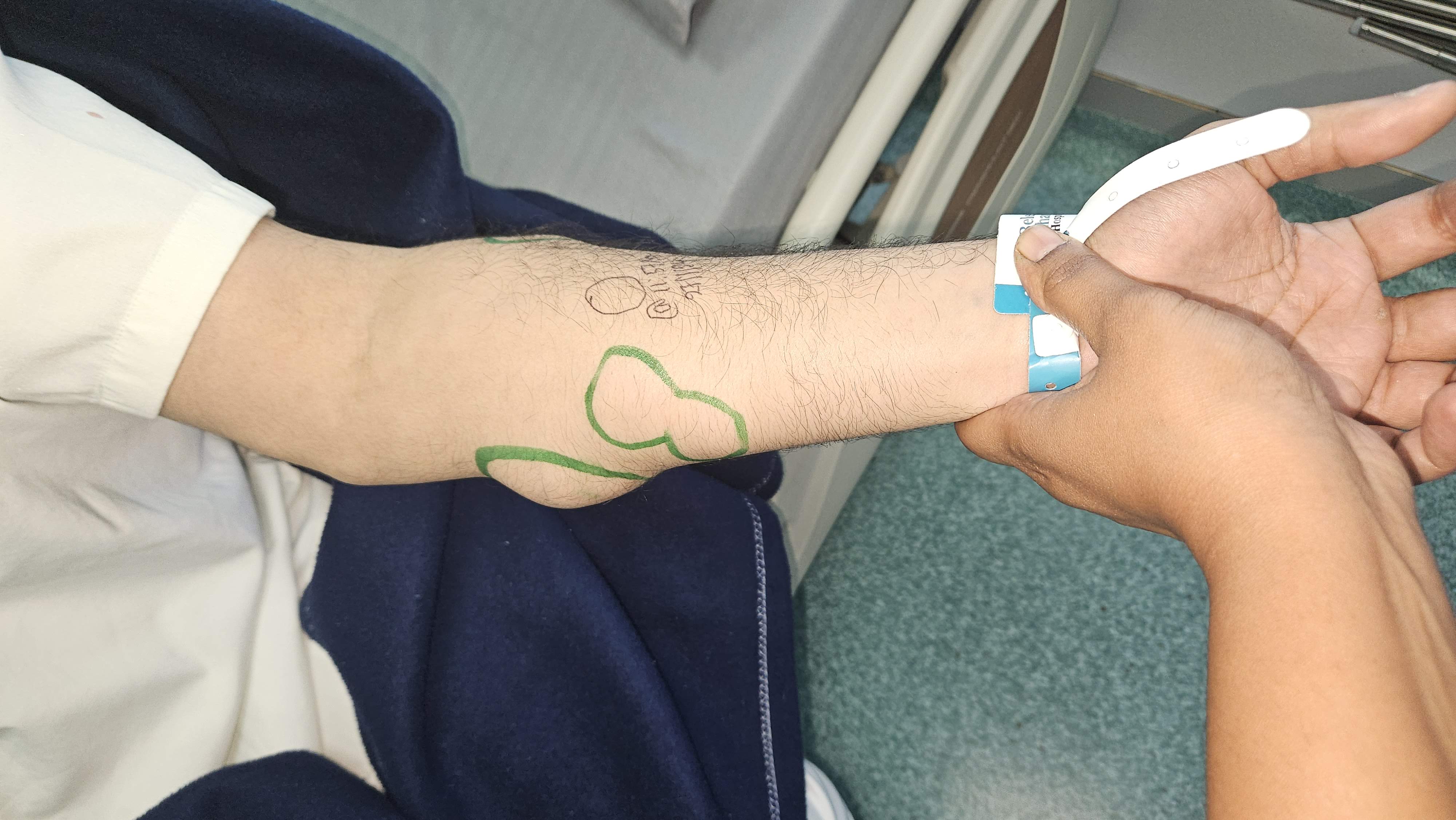
Before any anesthesia is administered, you are evaluated in an upright, relaxed position. Lipomas shift drastically when lying down on an operating table due to the effects of gravity on subcutaneous fat. The surgeon precisely maps the exact borders of the lipoma, charts the surrounding nerve pathways, and marks the ideal Langer’s Line incision pathway using a surgical skin marker.
Phase 2: Ultra-Comfort Tumescent Anesthesia
The days of requiring general anesthesia—with its associated risks, nausea, and lengthy recovery times—for routine lipoma removal are largely over. Modern removals utilize advanced local tumescent anesthesia.
This technique involves infiltrating the subcutaneous space with a specialized, highly diluted solution of lidocaine (a powerful numbing agent) and epinephrine (a medication that constricts blood vessels). This offers distinct advantages:
1. Total Numbness: The fluid numbs the entire surgical field instantly, ensuring you feel absolutely zero pain or sharp sensations during the procedure.
2. Hydraulic Dissection: The fluid pressure gently detaches the lipoma capsule from the surrounding tissue planes, making extraction smoother and less traumatic to the body.
3. Bloodless Field: By constricting local blood vessels, bleeding is virtually eliminated, which dramatically reduces post-operative bruising and swelling.
4. Awake & Comfortable: You remain fully awake, comfortable, and can immediately stand up and walk out of the clinic once the procedure is complete.
Phase 3: Meticulous Layered Cosmetic Closure
Incomplete removal is the leading cause of tumor return. To combat this, Dr. Amrika Seshadri treats every lipoma with an uncompromising dual focus: smooth aesthetic healing and definitive recurrence prevention. Operating within the ultra-sterile, advanced surgical suites of her Level 3A Speciality Center, she painstakingly dissects the lipoma along its exact capsular plane. This clean separation guarantees that no microscopic adipose fragments are left behind, ensuring long-term cure rates while maintaining tissue integrity.
The secret to an invisible scar lies beneath the surface of the skin. If a surgeon simply stitches the top layer of skin together, a hollow space (dead space) is left behind where the lipoma used to sit. This space can fill with blood or fluid, causing a seroma, hematoma, or severe scar indentation.
To prevent this, a meticulous hidden-scar strategy utilizes layered closure:
● Deep Structural Layers: High-tensile, fully dissolvable sutures are placed to close the deep fat and fascial layers, closing the empty pocket and taking all physical tension off the skin surface.
● Subcuticular Layer: The final skin layer is closed using an advanced cosmetic running stitch placed entirely underneath the surface of the skin. No external "railroad track" stitches are used, meaning there are no superficial suture marks to heal or remove later. The skin is held together perfectly with surgical skin adhesive or steri-strips.
8. Post-Operative Recovery, Scar Mitigation, and Long-Term Healing
Your surgeon's technical skill accounts for 50% of the final aesthetic result; the remaining 50% depends on a rigorous, scientifically backed post-operative scar management protocol.
Immediate Post-Op Care (Days 1–14)
Because a space-occupying mass was removed, localized compression is vital. Wearing a tailored compression garment for large lipomas or specialized pressure dressing over the area for smaller lipomas for the first 48 to 72 hours minimizes swelling and prevents fluid collection. Normal light daily activities can be resumed immediately, though heavy lifting or vigorous exercise that strains the incision site should be avoided for approximately two weeks.
The Scar Optimization Protocol (Weeks 3–24)
Once the skin edges have completely closed, the active scar remodeling phase begins. Left alone, healing tissue can synthesize disorganized collagen, leading to a raised or discolored line. To ensure the scar fades into near-invisibility, patients are guided through an advanced scar regimen:
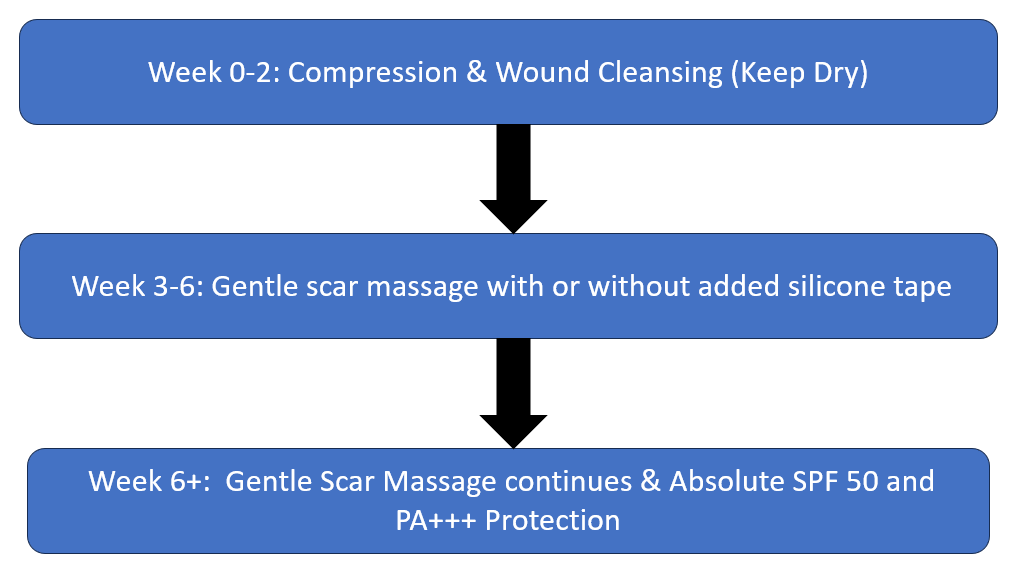
● Medical-Grade Silicone Therapy: The gold standard in scar prevention. Applying topical silicone gel or wearing silicone sheets creates a protective barrier that locks in deep hydration, signaling the body to produce smooth, flat, organized collagen fibers.
● Scar Massage: Gentle, targeted pressure applied across the scar line breaks up deep dermal adhesions, ensuring the healing tissue remains soft and pliable rather than fixed to underlying structures.
● Strict UV Protection: Healing scars are highly vulnerable to ultraviolet radiation. Exposing a fresh scar to the sun triggers melanin production, causing permanent hyperpigmentation (turning the scar a dark brown or purple hue). Protecting the area with clothing or a broad-spectrum zinc oxide SPF 50+ sunscreen is non-negotiable for the first six months.
9. Conclusion
You do not have to live with the physical discomfort or self-consciousness of a growing lipoma, nor do you have to accept a prominent, disfiguring scar as the price of its removal. Modern, minimal-access, hidden-scar surgery offers an elegant solution that prioritizes your medical safety and your aesthetic confidence in equal measure.
By aligning incisions within your skin's natural tension lines, utilizing advanced micro-dissection tools, and applying a rigorous post-operative healing protocol, your contour can be restored beautifully.
Experience World-Class Care with Dr. Amrika Seshadri
At Dr. Amrika’s Aesthetics, located in a state-of-the-art Level 3A Speciality Center on Sarjapura Main Road, you are in the hands of a specialist with 11 years of proven surgical standing. Known for her meticulous attention to detail, empathetic patient care, and precise techniques, Dr. Amrika focuses on what matters most to you: impeccably smooth dermal healing and complete recurrence prevention.
Take the first step toward reclaiming your physical comfort and body confidence today. Schedule a private, one-on-one consultation to map your customized, hidden-scar treatment plan.