
Gynaecomastia is a condition where breast tissue gets enlarged in men, often through no known cause. At Dr. Amrika’s Aesthetics on Sarjapura Main Road, men of all ages are treated with dignity, respect and compassionate Surgical Care for the finest and most refined results.
The Ultimate Guide to Gynaecomastia Correction and High-Definition Male Chest Contouring in Bengaluru
Section 1: The Modern Profile of Male Chest Contouring
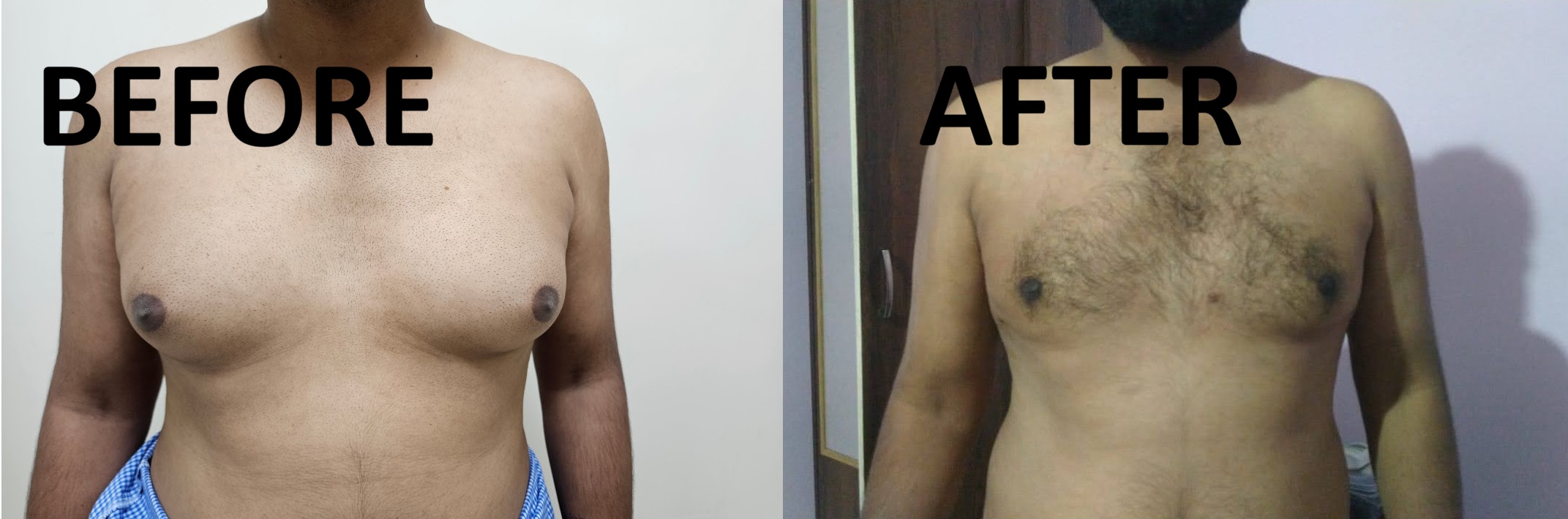
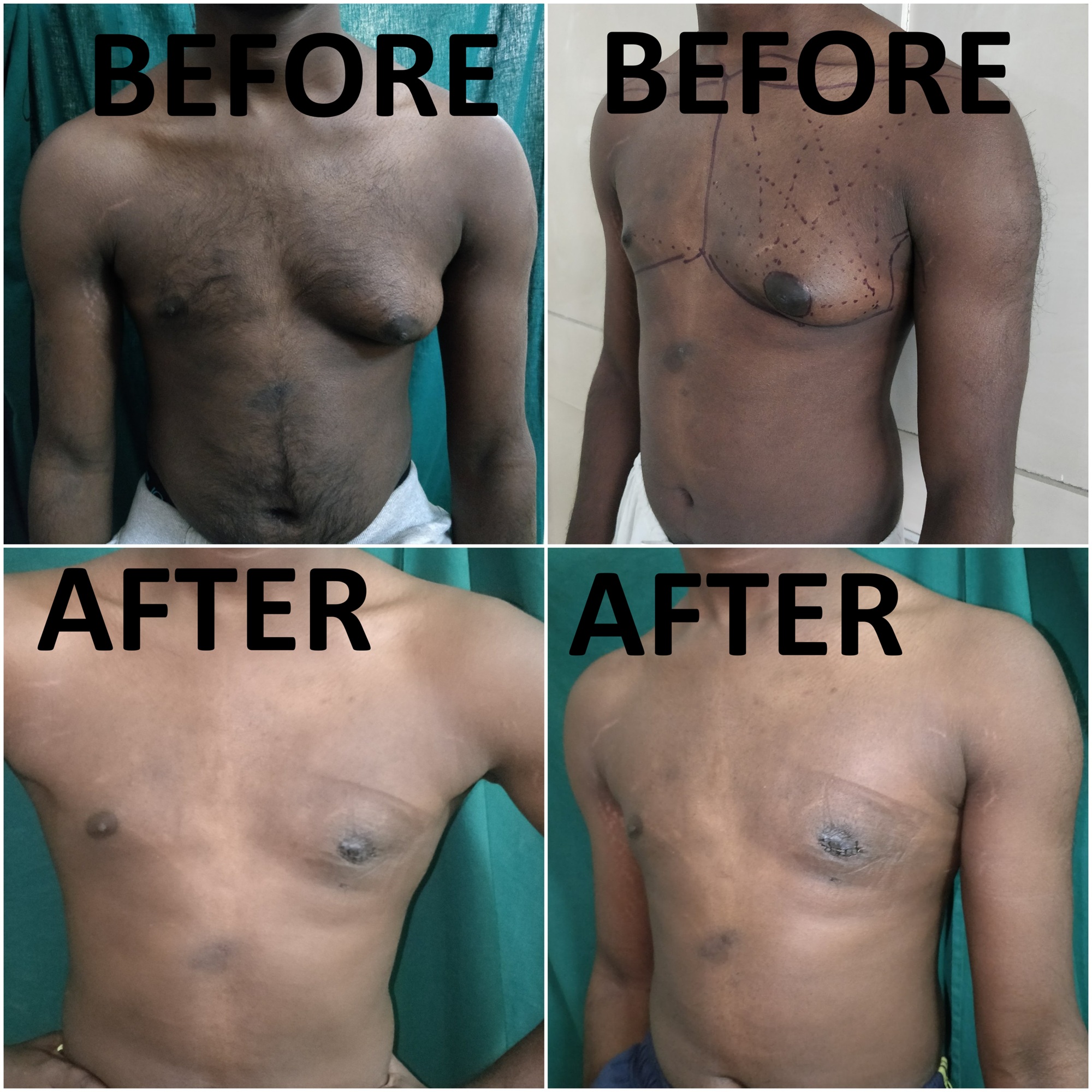
In a fast-paced, global hub like Bengaluru, where corporate leadership, tech innovation, and a vibrant fitness culture intersect, the modern man’s approach to self-care has evolved dramatically. Today, appearance is increasingly recognized as an extension of professional confidence and physical well-being. Men are investing more time than ever in clean nutrition, strength training, and active lifestyle habits.
However, one specific anatomical concern regularly defies even the most disciplined gym routines and immaculate diets: abnormal male breast development, clinically known as Gynaecomastia.
For many men, developing a soft, rounded, or projecting chest profile creates profound psychological distress. It dictates the clothing they choose, deters them from swimming or wearing fitted shirts, and can severely impact their posture as they naturally slouch to conceal their torso. A common misconception among the public—and even within fitness spaces—is that this condition can be completely burned off through intensive chest presses, cardiovascular training, or extreme calorie deficits.
In reality, while weight loss can diminish fat cells, it has absolutely no impact on dense, glandular tissue. Attempting to aggressively exercise away true gynaecomastia often only isolates the chest muscles under the gland, inadvertently pushing the tissue further forward and making the projection even more pronounced.
Recognizing this frustration, Dr. Amrika Seshadri, a premier plastic surgeon with 11 years of dedicated experience in advanced aesthetic surgery, has redefined male chest rejuvenation in Bengaluru. Operating from her state-of-the-art Premium Level 3A SuperSpeciality Center on Sarjapura Main Road, Dr. Amrika approaches the male torso not merely through volume reduction, but through the sophisticated lens of high-definition architectural sculpting.
By understanding that a truly masculine chest requires a flat, contoured baseline with sharp lateral transitions and minimal visible scarring, she has pioneered comprehensive techniques that transform the male torso safely, ethically, and permanently.
Beyond the Standard Resection: The Comprehensive 3D View
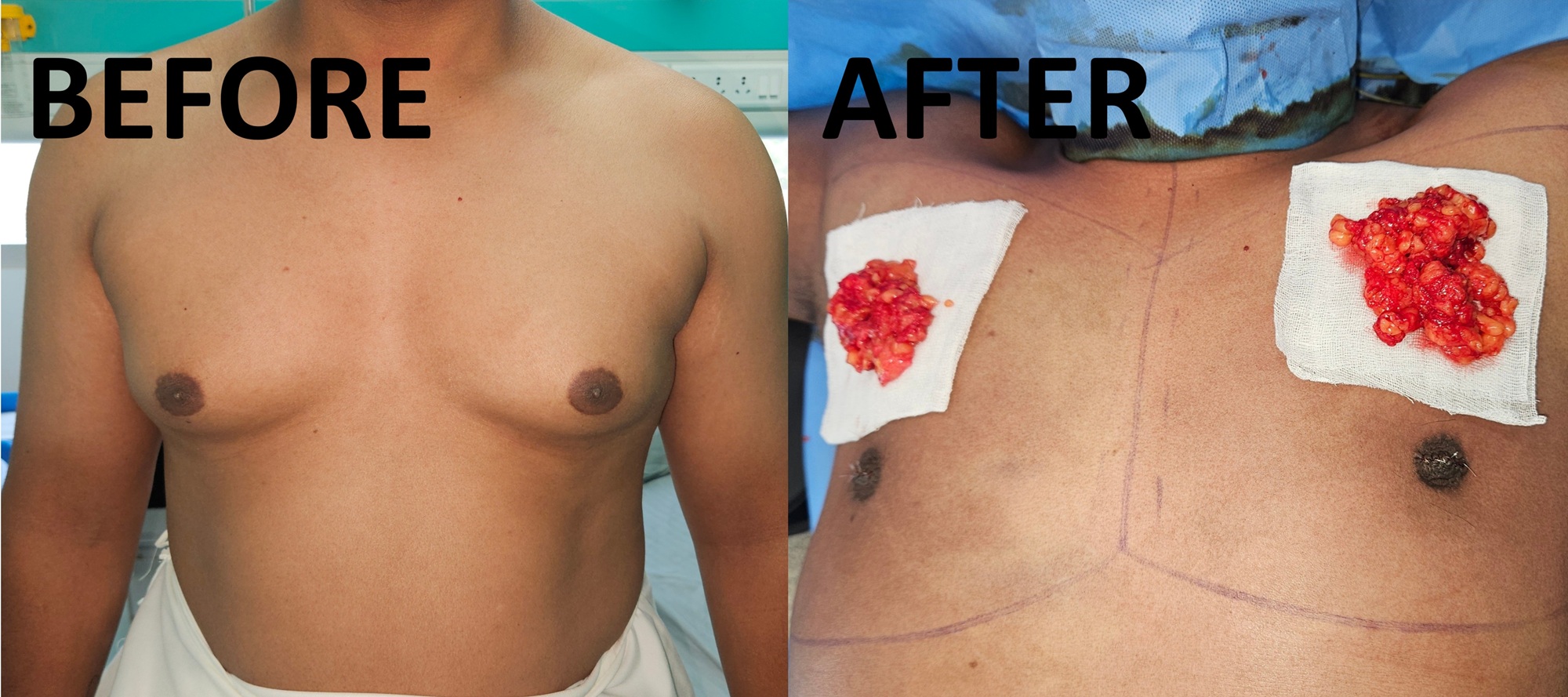
Traditional male breast reduction surgeries have historically focused entirely on the localized removal of tissue directly beneath the areola. While this flatlined the immediate protrusion, it frequently left behind a highly compromised aesthetic result. Patients often complained of a "boxy" look, where the front of the chest was flat but the surrounding areas—such as the sides of the chest, the anterior axillary fold (armpit region), and the flanks—remained bulky and out of proportion.
Dr. Amrika Seshadri’s hallmark approach is built on a comprehensive, three-dimensional philosophy. To achieve completely natural, athletic results, she treats the entire upper torso as a single, continuous aesthetic unit.
Her advanced protocols combine deep glandular clearance with high-definition VASER liposuction extending across the front of the chest, seamlessly blending into the sides of the chest and the armpit area. This detailed approach ensures that when you stand or move, your chest contours shift organically, revealing a tapered, powerful, and authentic masculine profile that aligns beautifully with your underlying musculoskeletal framework.
Section 2: Frequently Asked Questions (FAQs)
1. Will my chest be completely flat immediately after the gynaecomastia surgery?
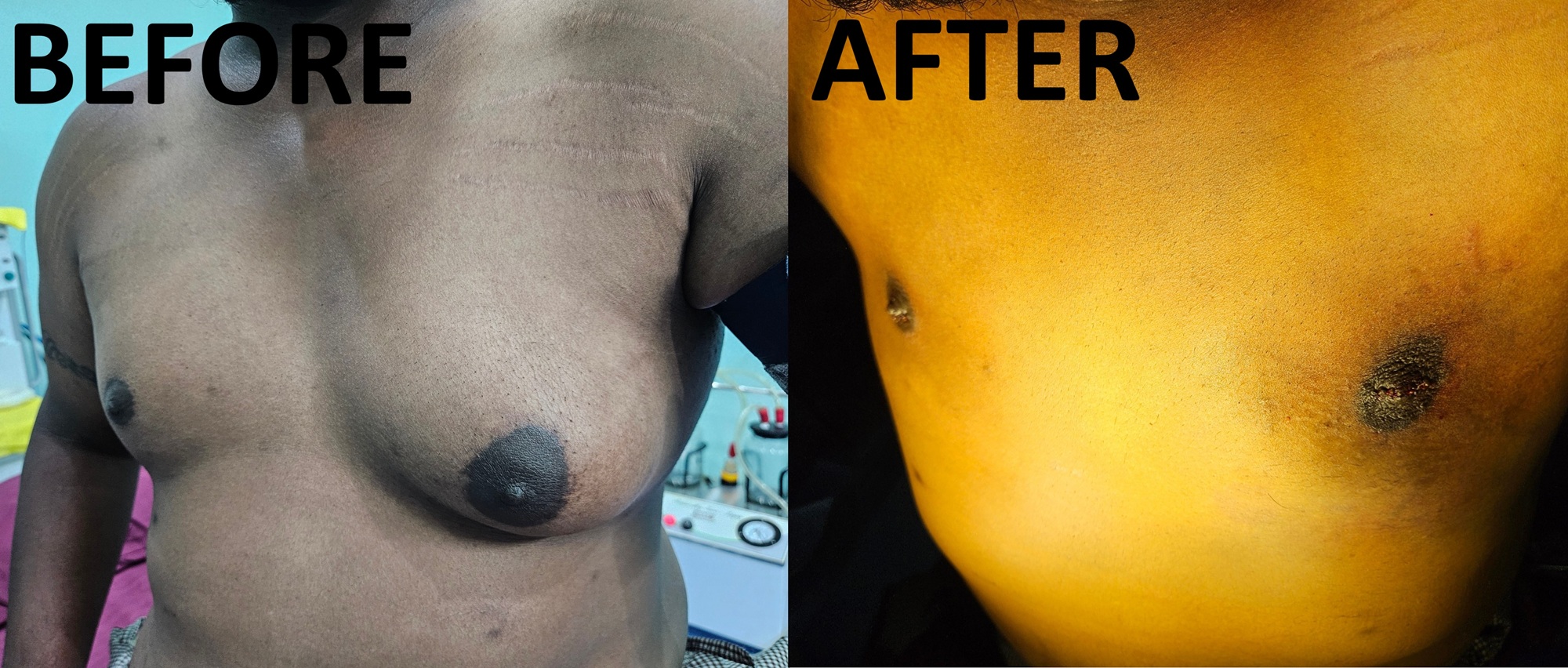
Yes, the physical mass of the gland and the surrounding fat layers are completely removed during the procedure, meaning the structural protrusion is resolved before you leave the operating room. However, your immediate post-op appearance will include mild surgical swelling and fluid retention. Your final, highly defined athletic lines will continue to refine and dry down beautifully over the subsequent 4 to 6 weeks as the swelling resolves and the skin retracts.
2. Is the no-scar transnipple technique suitable for all grades of gynaecomastia?
Dr. Amrika’s specialized transnipple technique is exceptionally effective for Grade I, Grade II, and the majority of Grade III gynaecomastia cases, as the incision hides perfectly within the natural texture of the nipple. For rare, extreme cases of Grade IV gynaecomastia where a massive amount of severely stretched, redundant skin must be surgically tightened and redesigned, an alternative low-profile incision within the natural lower crease of the chest may be required.
3. How soon can I return to my gym routine and start lifting weights?
Your safety and long-term chest contour depend on allowing the internal tissues to heal securely without excessive tension. You can safely resume light, lower-body walking within the first week. Light cardio can be reintroduced around week 3 or 4. However, heavy upper-body compound movements—such as bench presses, push-ups, and heavy shoulder lifting—must be avoided until week 6 to ensure the internal muscle fascia heals perfectly smooth.
4. Can the glandular tissue grow back if I experience a future hormonal imbalance?
Once the glandular tissue is meticulously and completely excised during surgery, it cannot grow back, as the physical cell mass has been permanently removed. Provided you avoid the unprescribed use of anabolic agents or medications that cause extreme hormonal disruption, your results remain structurally permanent.
5. What makes a Level 3A SuperSpeciality Center different from a standard cosmetic clinic?
A Premium Level 3A SuperSpeciality Center represents the highest tier of ambulatory and surgical care. Unlike standard aesthetic clinics or commercial setups, a Level 3A facility adheres to strict medical regulations, featuring state-of-the-art sterile operating theaters, advanced anesthesia monitoring networks, and dedicated medical backup infrastructures. This ensures that your procedure is performed under the safest, most ethical clinical standards available in modern medicine.
6. Who is the best Plastic Surgeon for gynaecomastia treatment in Bengaluru?
This question is best answered in 2 parts:
1. The most qualified surgeon for this procedure is a Plastic Surgeon. This is because a Plastic Surgeon is obsessed with minimal scarring and smooth recovery. Dr. Amrika Seshadri has been engaged in providing this service for the past 11 years and has a great deal of experience.
2. Patient comfort and confidence is paramount for this procedure to work perfectly. Choose a qualified Plastic Surgeon who helps you understand your best solution.
Section 3: Pathology vs. Pseudogynaecomastia
To determine the most effective surgical approach, it is vital to demystify the underlying anatomy of male chest enlargement. From a clinical perspective, chest fullness in men generally falls into one of two categories, or a combination of both.
| TRUE GYNAECOMASTIA | PSEUDOGYNAECOMASTIA |
|---|---|
| Glandular Hypertrophy | Adipose Accumulation |
| Firm, rubbery, fibrous tissue | Soft, malleable fat cells |
| Driven by hormonal imbalances | Driven by weight fluctuations/genetics |
| Cannot be reduced by diet/exercise | Responds partially to weight loss |
The Role of Hormones and Genetics
True gynaecomastia is driven by an imbalance between two primary hormones within the male body: estrogen (which stimulates breast tissue growth) and testosterone (which inhibits it). This imbalance can occur naturally during transient life phases such as neonatal development, pubertal surges, or age-related andropause. It can also be triggered by genetic predispositions, specific systemic medical conditions, or the use of certain medications, supplements, and performance-enhancing substances.
When estrogen activity dominates, the dormant glandular tissue situated directly behind the nipple-areola complex undergoes proliferation, transforming into a dense, fibrous, rubbery mass that is firmly anchored to the overlying skin and underlying pectoral fascia.
Pseudogynaecomastia, on the other hand, is simply an localized accumulation of subcutaneous fat without significant glandular enlargement. It is highly common in individuals with a genetic tendency to store fat in the upper torso or those who have experienced significant weight fluctuations.
In the vast majority of cases seen at Dr. Amrika's Premium Level 3A SuperSpeciality Center, patients present with a mixed presentation—a distinct, dense fibro-glandular core surrounded by varying degrees of soft adipose tissue.
The Gynaecomastia Grading System
To create a hyper-customized treatment plan, Dr. Amrika Seshadri evaluates every patient using the established clinical grading scale, which categorizes the severity of the condition based on tissue volume and skin laxity:
● Grade I (Mild Enlargement): A small, localized concentration of glandular tissue located strictly behind the areola. There is no excess skin, and the chest profile remains well-proportioned overall, though "puffy nipples" are often noticeable through light clothing.
● Grade II (Moderate Enlargement without Skin Laxity): Extended accumulation of both glandular and adipose tissue spreading across the pectoral region. The chest mimics a mild female breast profile, but the skin retains excellent elasticity and does not sag below the submammary fold.
● Grade IIIA (Moderate Enlargement with No Skin Laxity): Significant tissue accumulation accompanied by visible stretching of the skin. The skin borders begin to encroach over the natural lower crease of the chest.
● Grade IIIB (Moderate Enlargement with Skin Laxity): Significant tissue accumulation accompanied by visible stretching and sagging of the skin. The skin borders begin to droop over the natural lower crease of the chest.
● Grade IV (Severe Enlargement with Significant Skin Laxity): Marked chest enlargement with severe skin ptosis, resembling a fully developed female breast profile. This grade requires advanced skin-tailoring protocols alongside tissue clearance.
The Necessity of a Customized Blueprint
Because every man's pectoral development, skin tone, and body fat percentage are completely unique, generic surgical methods consistently yield subpar results. A custom blueprint is essential to avoid the two most common pitfalls of male chest surgery:
1. Under-Resection: Leaving behind portions of the tough gland, which causes a persistent, localized protrusion or asymmetric puffiness post-surgery.
2. The "Crater" Deformity: Over-resection directly under the areola without contouring the surrounding area, causing the nipple to collapse inward into a hollow, unnatural dent when the pectoral muscle contracts.
Dr. Amrika spends significant time during your initial personal consultation mapping out your specific anatomy. She evaluates the exact ratio of gland-to-fat, assesses your skin's natural elastic retraction potential, and marks out the transition zones extending into the armpits and flanks. This meticulous planning ensures a smooth, flat, non-concave chest wall that blends beautifully with the rest of your body.
Section 4: The Surgical Synergy: VASER Lipo & Gland Excision
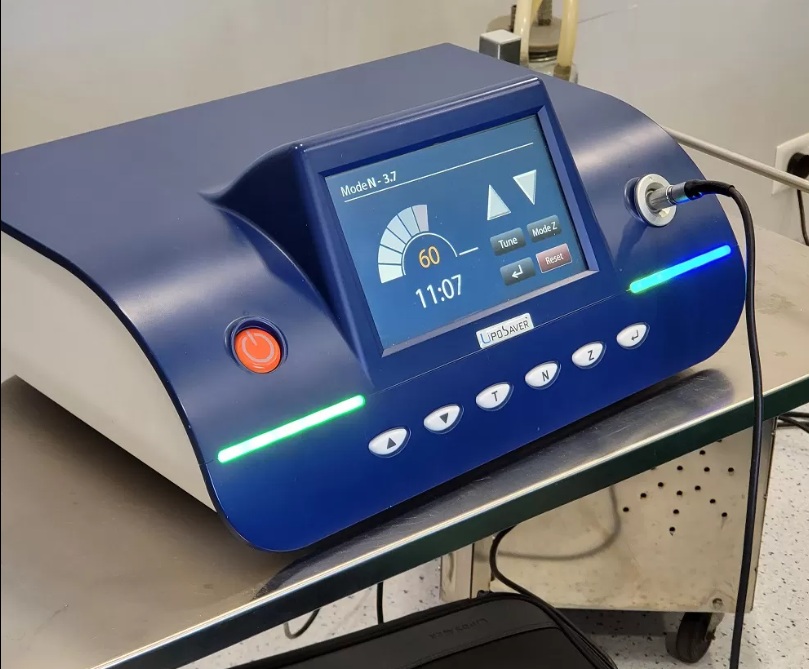
Achieving an impeccably sculpted, athletic masculine chest requires addressing two very different tissue types: soft subcutaneous fat and tough, dense fibro-glandular tissue. Dr. Amrika Seshadri achieves this through a powerful, dual-action approach that combines advanced VASER liposuction with precise structural gland removal.
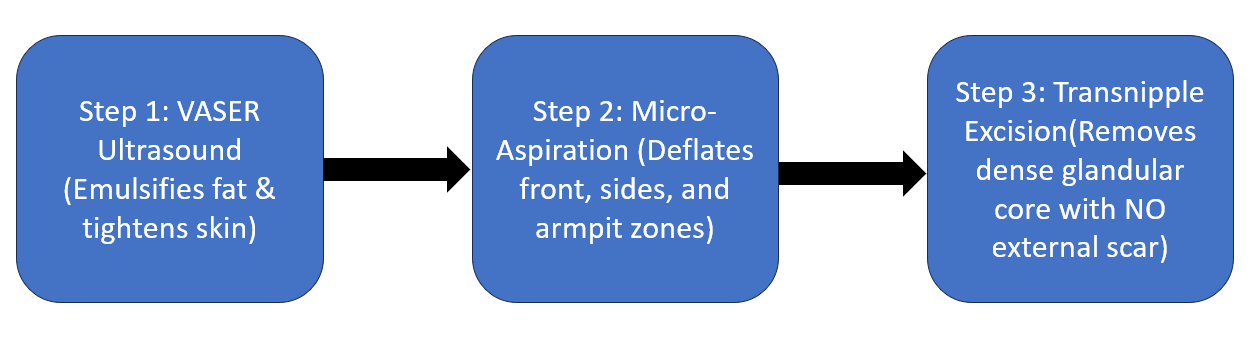
The Physics of VASER in Male Chest Contouring
Traditional liposuction often struggles with the male chest because male adipose tissue is naturally highly fibrous, dense, and tightly bound by a matrix of tough connective tissue bands. Forcing a standard mechanical cannula through this resistant environment can cause significant internal trauma, increased bleeding, post-operative bruising, and an elevated risk of surface irregularities.
To overcome this, Dr. Amrika utilizes advanced ultrasound-assisted VASER liposuction. The VASER system delivers targeted acoustic energy via specialized, solid titanium probes. These high-frequency ultrasound waves produce a phenomenon known as acoustic cavitation:
● The energy selectively targets and gently dislodges fat cells, emulsifying them into a smooth, liquid state.
● Crucially, the ultrasound waves completely spare vital structural components, including the subdermal vascular plexus, sensory nerves, and the essential collagen fiber networks.
By liquefying the fat layer first, Dr. Amrika can gently sweep away the unwanted volume from the front of the chest, the sides of the chest, and the armpit area using delicate, low-vacuum micro-cannulas. Furthermore, the localized thermal energy generated by the VASER probe warms the deep dermal layers, stimulating immediate fiber contraction and triggering long-term collagen synthesis. This provides superior skin tightening, ensuring that the deflated chest skin snaps back smoothly over the underlying pectoral muscle rather than hanging loose.
The No-Scar Transnipple Technique: An Aesthetic Breakthrough
Once the surrounding fat has been completely cleared and the chest wall has been leveled via VASER, the dense, rubbery gland must be physically extracted. Historically, surgeons removed this gland by making a semi-circular incision along the lower half of the dark skin surrounding the nipple (the periareolar border). While effective, this could sometimes leave behind a visible, hyperpigmented, or indented scar right at the transition zone of the breast skin.
To deliver a truly discrete outcome, Dr. Amrika Seshadri specializes in an advanced, minimally invasive no-scar transnipple technique.

In this sophisticated approach, Dr. Amrika makes a tiny, precision vertical incision directly through the natural texture and folds of the nipple itself. Because the tissue of the nipple has excellent healing capabilities and an inherently irregular, granular surface profile, this incision heals with remarkable camouflage.
Through this single, hidden entry point, Dr. Amrika uses specialized micro-instruments to carefully dissect, separate, and completely extract the tough glandular mass from the underlying pectoral fascia. Once the gland is removed, the tiny incision is brought together with microscopic, hair-thin dissolvable sutures. Once fully healed, the access point becomes virtually undetectable to the naked eye, allowing you to confidently remove your shirt without any visible signs of surgery.
Section 5: The Surgical Experience & Ethical Safety Standards
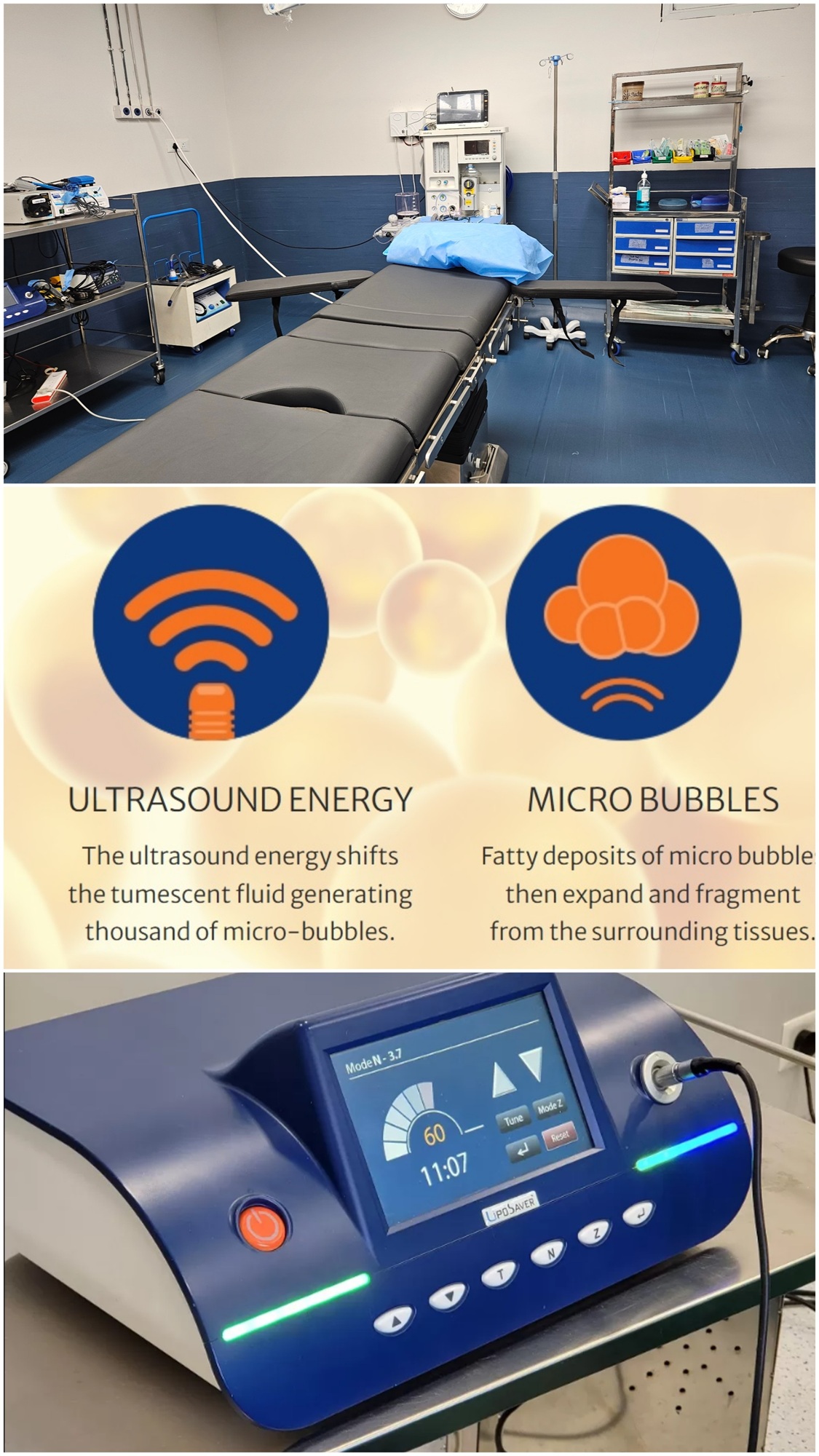
At her Premium Level 3A SuperSpeciality Center on Sarjapura Main Road, Dr. Amrika Seshadri has established a clinical environment where advanced surgical technology meets a deep, uncompromising philosophy of safe and ethical aesthetic care. Every workflow, from your initial entry to your final check-up, is designed around medical transparency, absolute patient safety, and clinical predictability.
The Power of a Daycare Setting
Through the integration of VASER ultrasound technology and refined micro-surgical techniques, Dr. Amrika has successfully streamlined the gynaecomastia correction process into an efficient, highly safeDaycare setting.
Historically, male breast reduction required an overnight hospital stay, heavy general anesthesia, and an extended, uncomfortable period of systemic recovery. Today, the entire procedure is completed within 60 to 90 minutes.
Patients are admitted in the morning, undergo their customized contouring procedure, rest briefly in a private recovery lounge, and are safely discharged to the comfort of their own homes on the exact same evening. This eliminates the need for overnight hospitalization, minimizes exposure to hospital-acquired environments, and allows patients to recover in a familiar, stress-free setting.
Advanced Pain Control and Rapid Healing
A common concern among men considering this procedure is the fear of severe post-operative pain or a prolonged, debilitating recovery that keeps them away from their professional responsibilities. To address this, Dr. Amrika utilizes an advanced, multi-modal advanced pain control protocol that begins before the first incision is made:
Targeted Pectoral Nerve Blocks (PECS Blocks)
While the patient is resting comfortably under conscious sedation or light general anesthesia, long-acting local anesthetic solutions are precisely delivered into the fascial planes between the pectoral muscles. This completely numbs the sensory nerves supplying the chest wall.
As a result of these targeted blocks, patients wake up from surgery experiencing a sensation of mild tightness or pressure rather than acute pain. This numbness lasts for up to 18 to 24 hours, completely bridging the initial post-operative phase.
Because acute pain is proactively blocked at the nerve level, the need for heavy, systemic opioid medications is virtually eliminated. This prevents common side effects such as nausea, dizziness, and constipation, facilitating immediate mobility, easy breathing, and a significantly accelerated overall healing journey with fast visible results.
Ethical Surgical Margins: Avoiding the Crater Deformity
The core of ethical aesthetic care lies in prioritizing the long-term structural integrity of the human body over aggressive, fast-tracked surgeries. In gynaecomastia correction, this ethical focus is demonstrated through the meticulous preservation of a microscopic, healthy layer of subcutaneous fat directly beneath the areola.
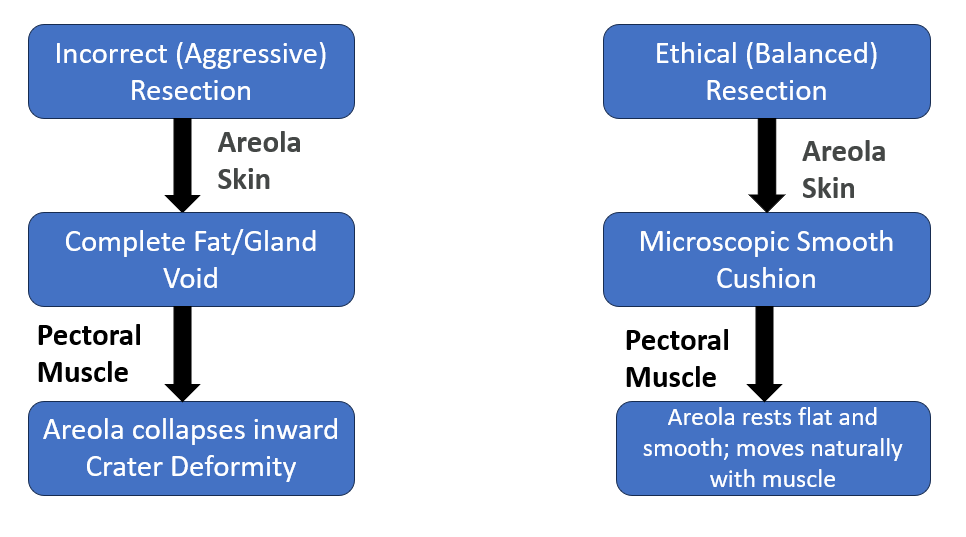
If a surgeon aggressively clears out every single millimeter of tissue under the nipple to ensure a flat result, the skin of the areola will adhere directly to the raw surface of the underlying pectoral muscle. This results in the crater deformity—a visible indentation that pulls inward unnaturally every time you move your arms.
With 11 years of experience, Dr. Amrika maintains an exacting, artistic margin. She leaves behind a perfectly calculated, ultra-thin, smooth cushion of tissue to ensure that the nipple-areola complex rests perfectly flat, flatters your natural movements, and remains fully vascularized, soft, and sensitive.
Section 6: Recovery, Compression, and Masculine Sculpting Longevity
The journey to a highly defined, athletic chest profile does not end when you leave the Level 3A SuperSpeciality Center on Sarjapura Main Road. The recovery phase is a structured, collaborative partnership between you and Dr. Amrika’s specialized medical team.
Navigating the Post-Operative Timeline
Thanks to the tissue-selective nature of VASER and the application of localized nerve blocks, the recovery timeline for gynaecomastia surgery is remarkably smooth and manageable:
● Days 1–2 (The Initial Window): You will experience a sensation of mild soreness, similar to the feeling of an intense chest workout. Walking and normal arm movements are highly encouraged to promote healthy circulation, but driving and heavy lifting must be avoided. Most patients can comfortably handle light remote desk work from home.
● Days 3–5 (Returning to Routine): Swelling and mild bruising will reach their baseline and begin to steadily subside. You can comfortably return to a physical office environment, provided your commute does not require strenuous physical exertion.
● Week 2 (Tissue Softening): The tiny incisions are fully closed and sealed. You will return to the clinic for a routine post-op evaluation, and Dr. Amrika will clear you to begin gentle stretching exercises.
● Weeks 4–6 (Resuming Fitness): Your chest tissue will begin to feel progressively softer and smoother. You will receive clearance to gradually reintroduce light cardiovascular exercise, followed by lower-body training. By week 6, you can safely return to heavy upper-body workouts, including bench presses and chest flies.
The Indispensable Role of the Male Compression Vest
One of the most critical elements of your recovery is the consistent use of a specialized, medical-grade male compression vest.
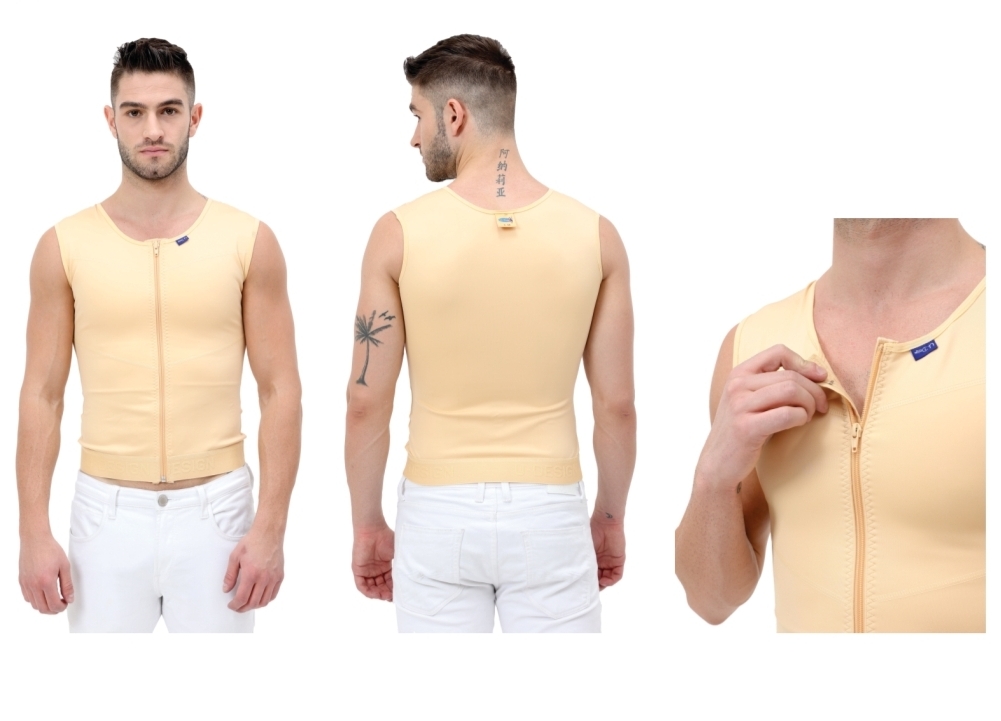
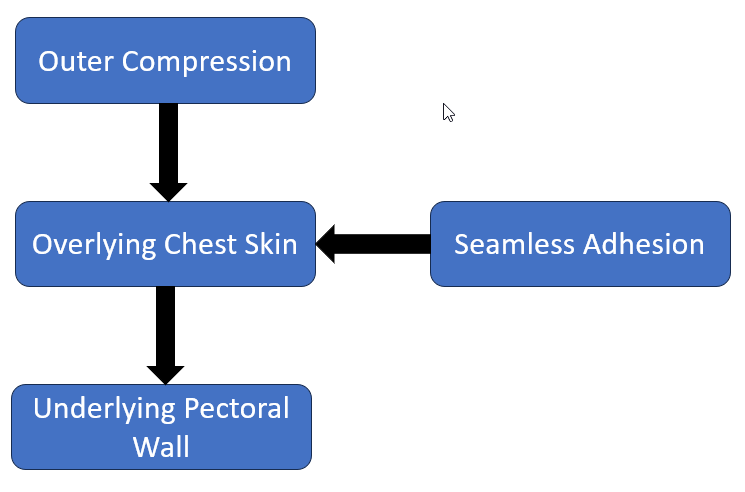
This vest must be worn continuously (23 ½ hours a day, except during showers) for the first 4 weeks, followed by a brief period of daytime-only wear as advised by Dr. Amrika. The compression vest serves three essential functions:
1. Eliminates Internal Dead Space: By pressing the treated skin firmly down against the underlying pectoral muscle, it prevents the accumulation of natural fluids (seromas or hematomas) in the spaces where the gland and fat were removed.
2. Controls Swelling: It provides continuous, uniform pressure that minimizes post-surgical edema, allowing your true, high-definition contours to reveal themselves much faster.
3. Supports Skin Retraction: It acts as a supportive external mold, guiding the skin to heal smoothly, evenly, and tightly over your new athletic chest structure.
Protecting Your Results for Life
The structural outcomes achieved through Dr. Amrika Seshadri's comprehensive technique are permanent. Once the dense, fibro-glandular tissue is physically excised, it cannot regenerate or grow back. The fat cells removed via VASER from the front of the chest, sides of the chest, and armpit region are also permanently gone.
To preserve these exceptional results for a lifetime, it is important to understand how the body maintains its balance:
● Hormonal Awareness: Avoid the unprescribed use of anabolic steroids, performance-enhancing supplements, or specific medications known to disrupt testosterone-to-estrogen ratios, as these can trigger residual glandular cells to expand.
● Weight Stability: While your body can no longer store fat in the removed cell zones, significant weight gain can cause the remaining, untreated fat cells in surrounding areas to expand. Maintaining a stable, healthy weight ensures your chest retains its sharp, high-definition transitions.
● Embracing Fitness: With the physical and structural barrier of gynaecomastia removed, your gym efforts will yield visible rewards. Any future muscle development in your pectoral regions will directly enhance the definition of your flat, masculine chest contour.
Section 7: Investment and Price Considerations in Bengaluru
Undergoing gynaecomastia correction is a profound investment in your self-esteem, personal comfort, and physical presentation. When researching gynaecomastia surgery cost in Bengaluru or comparing a male breast reduction price, it is important to understand that a premier aesthetic transformation cannot be commoditized into a single, cheap, fixed quote.
True high-definition contouring is completely tailored to the individual, and the overall financial investment reflects several essential clinical components working together to guarantee a premium result.
A Transparent Breakdown of Cost Components
The final financial plan for your procedure is calculated based on the following clinical variables:
● The Severity Grade of Gynaecomastia: A Grade I correction focusing strictly on localized tissue removal requires less surgical time and resource allocation than a complex Grade III or IV correction that involves high-volume circumferential VASER sculpting across the entire upper torso alongside advanced skin retraction protocols.
● Surgeon’s Experience and Reputation: A board-certified plastic surgeon with 11 years of advanced expertise commands a professional fee that reflects their clinical judgment, micro-surgical skill, and an established track record of delivering natural, complication-free outcomes.
● Advanced VASER Technology Allocation: Utilizing genuine, state-of-the-art ultrasound technology involves the use of specialized single-use titanium probes and highly sophisticated equipment. This investment is vital for achieving smooth, even contours and superior skin tightening, distinguishing it from cheaper, aggressive manual techniques.
● Facility Grading and Infrastructure: Operating within a Premium Level 3A SuperSpeciality Center on Sarjapura Main Road guarantees access to world-class, sterile operating environments, state-of-the-art emergency backups, and premium private recovery suites that meet strict medical standards.
● Advanced Anesthesia & Multi-Modal Pain Management: The total cost includes the professional fees of a senior consultant anesthesiologist and the specialized, long-acting medications required to perform pectoral nerve blocks for a comfortable, rapid recovery.
● Comprehensive Post-Op Support: Your investment covers all post-surgical follow-up consultations, your custom-fitted medical compression vest, and the necessary recovery medications.
● Broadly speaking, the investment required for this result is between Rs.88,000 and Rs.96,000 as an all-inclusive package.
Prioritizing Safety and Value Over Cheap Discounts
In the aesthetic industry, ultra-low-cost offers are frequently achieved by compromising on vital safety protocols—such as operating in unaccredited day clinics without a dedicated anesthesiologist, substituting genuine VASER technology with outdated manual instruments, or rushing through standardized, assembly-line procedures.
Because male chest contouring permanently alters your physical anatomy, prioritizing an ethical, board-certified specialist like Dr. Amrika Seshadri ensures you avoid the physical and financial burden of costly revision surgeries to correct contour defects, hollow indentations, or conspicuous scarring.
Your Next Step: The Personal Consultation
The definitive path to a flat, athletic chest begins with a private, confidential consultation at our Sarjapura Main Road center.
During this session, Dr. Amrika Seshadri will personally examine your chest anatomy, evaluate your tissue ratios, discuss your lifestyle goals, and present a fully itemized, clear financial plan tailored precisely to your customized treatment blueprint.