
Acne scars can be devastating to confidence due to their rough appearance. At Dr. Amrika’s Aesthetics on Sarjapura Main Road, we deep dive into the root cause of scarring and treat the abnormal skin contour itself, giving you visibly smooth skin.
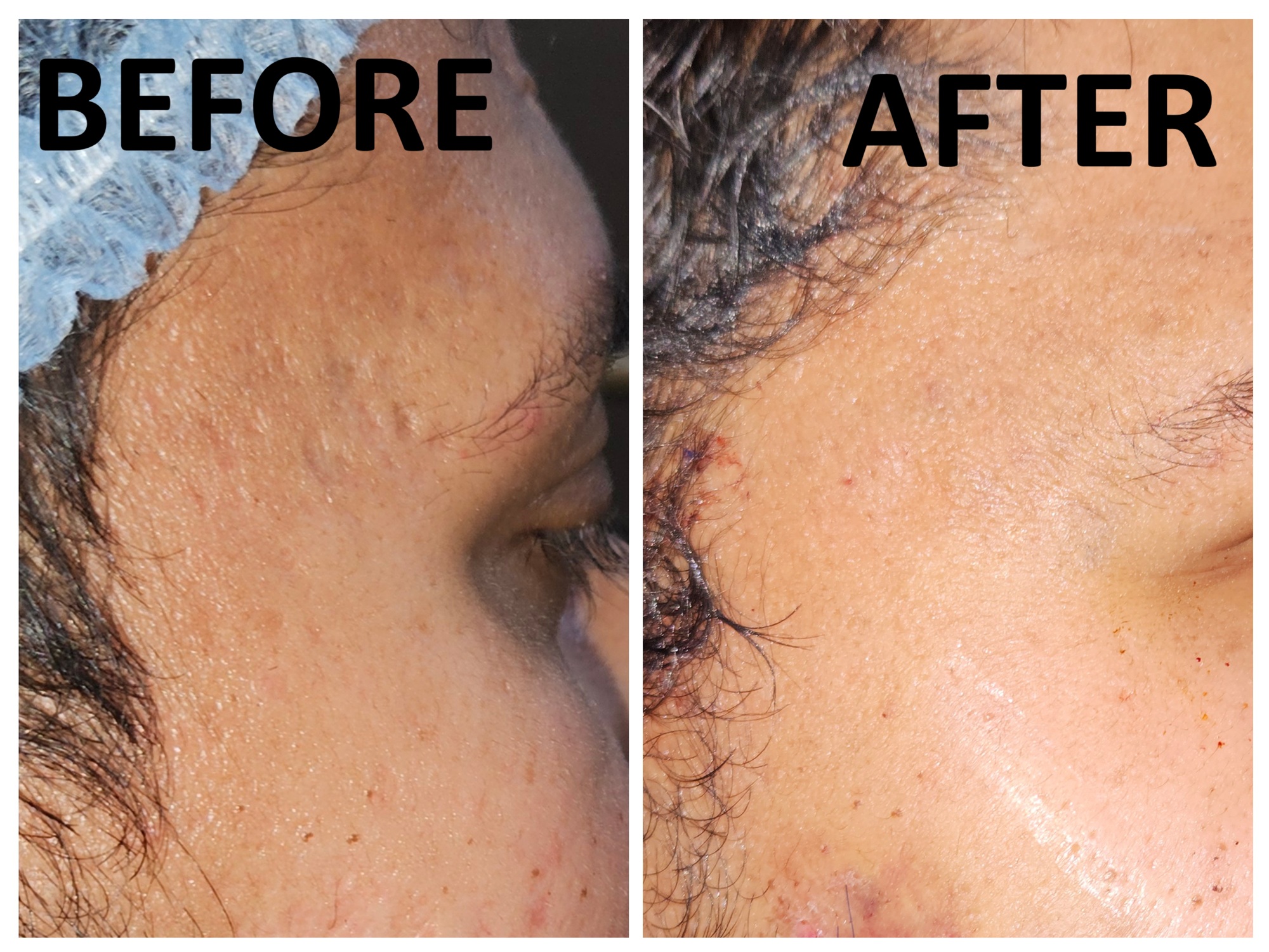
The Ultimate Guide to Advanced Acne Scar Reconstruction: The Multimodal Paradigm
1. Introduction: The Deep Impact of Facial Divots
For millions of individuals, surviving severe acne vulgaris is only half the battle. The structural aftermath—manifesting as deep facial divots, pits, and craters—carries a profound physiological and psychological burden. Acne scars are not mere superficial color changes; they represent structural dermal collapses that permanently alter the facial contour. The continuous play of ambient light and shadow across uneven skin textures serves as a persistent source of self-consciousness, prompting many to avoid social interactions, public speaking, or close-up photography.
The fundamental flaw in traditional dermatology has been treating complex, three-dimensional scar architecture with isolated, single-modality therapies. A solitary laser or a standalone micro-needling session cannot fix a complex dermal structural failure. True skin restoration requires an advanced, multidimensional approach.
This medical write-up explores the groundbreaking multimodal therapy pioneered by Dr. Mark B. Taylor, designed to systematically rebuild depressed dermal tissue. In Bangalore, this specialized framework is expertly executed by Dr. Amrika Seshadri, a highly accomplished Plastic and Reconstructive Surgeon with 11 years of surgical standing. Operating out of her bespoke Level 3A Speciality Center on Sarjapura Main Road (Dr. Amrika's Aesthetics), Dr. Amrika pairs advanced reconstructive principles with artistic finesse to deliver smooth, definitive scar minimization and long-lasting aesthetic rejuvenation.
2. Anatomical Taxonomy: Ice Pick, Boxcar, and Rolling Scars
Effective reconstruction is impossible without accurate classification. Acne scars are broadly categorized based on their depth, width, and underlying structural anchors:
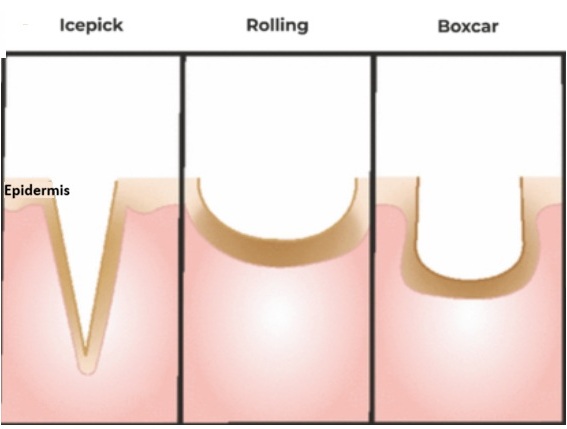
Ice Pick Scars
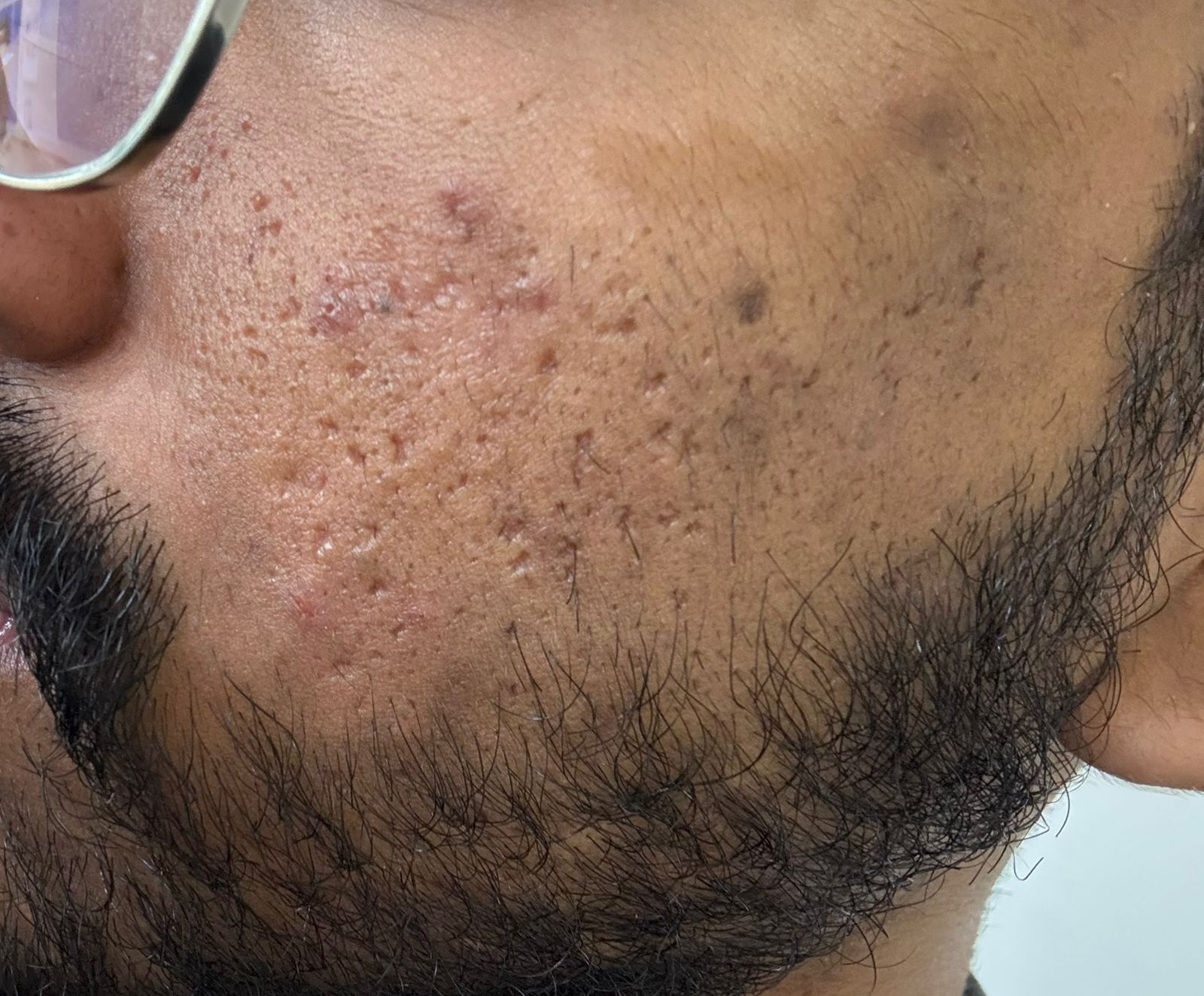
● Anatomy: Narrow (less than 2mm), deep, and sharply demarcated tracts that extend vertically into the deep dermis or upper subcutaneous layer.
● Pathology: Caused by localized, intense inflammation within the pilosebaceous unit that completely destroys the surrounding collagen column.
Boxcar Scars
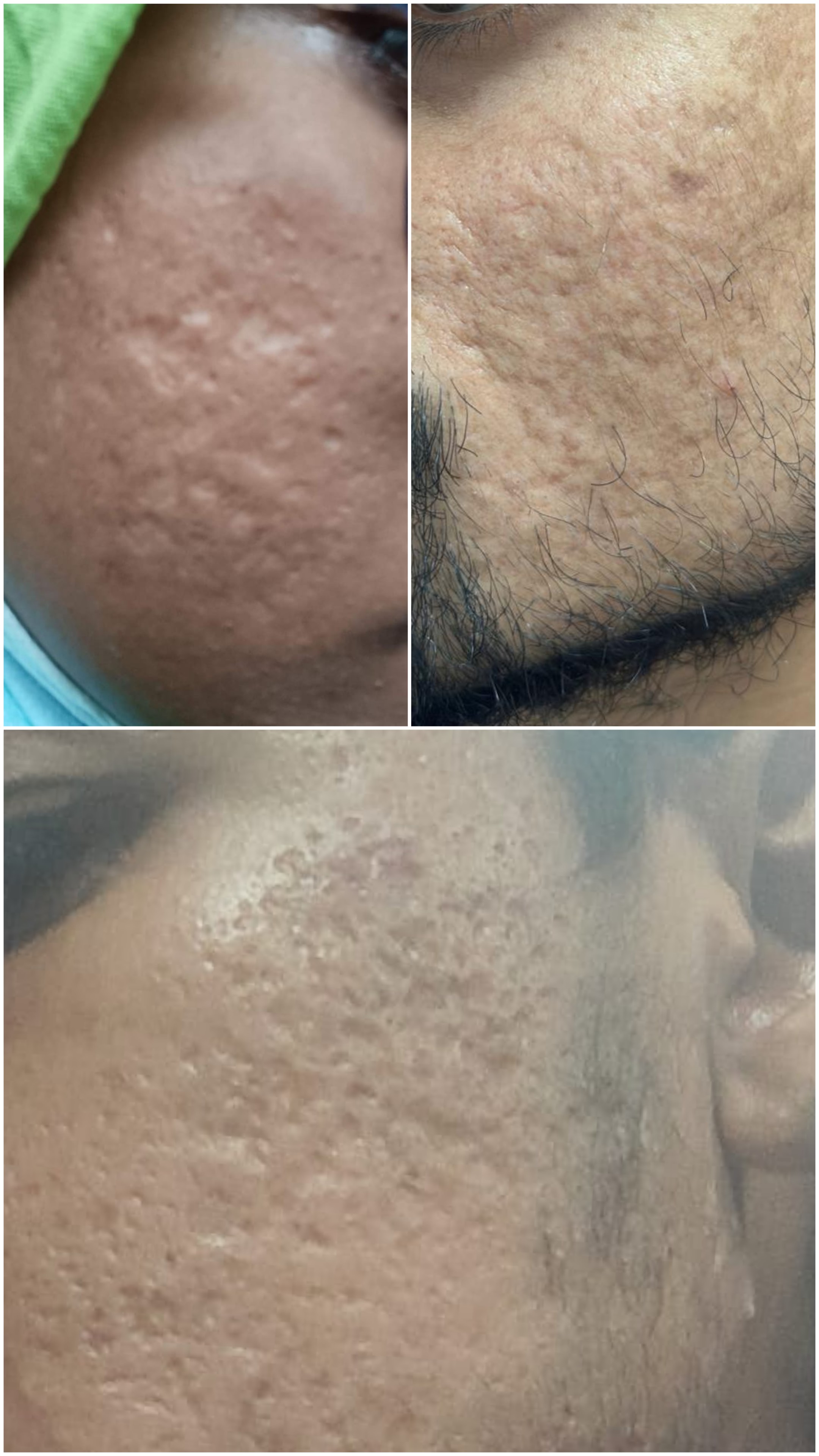
● Anatomy: Round-to-oval depressions with sharp, distinct, vertical borders. They can be shallow (0.1–0.5mm) or deep (more than 0.5mm).
● Pathology: Formed when tissue loss occurs rapidly following an inflammatory blowout, leaving an unsupported epidermal sheet that collapses uniformly.
Rolling Scars
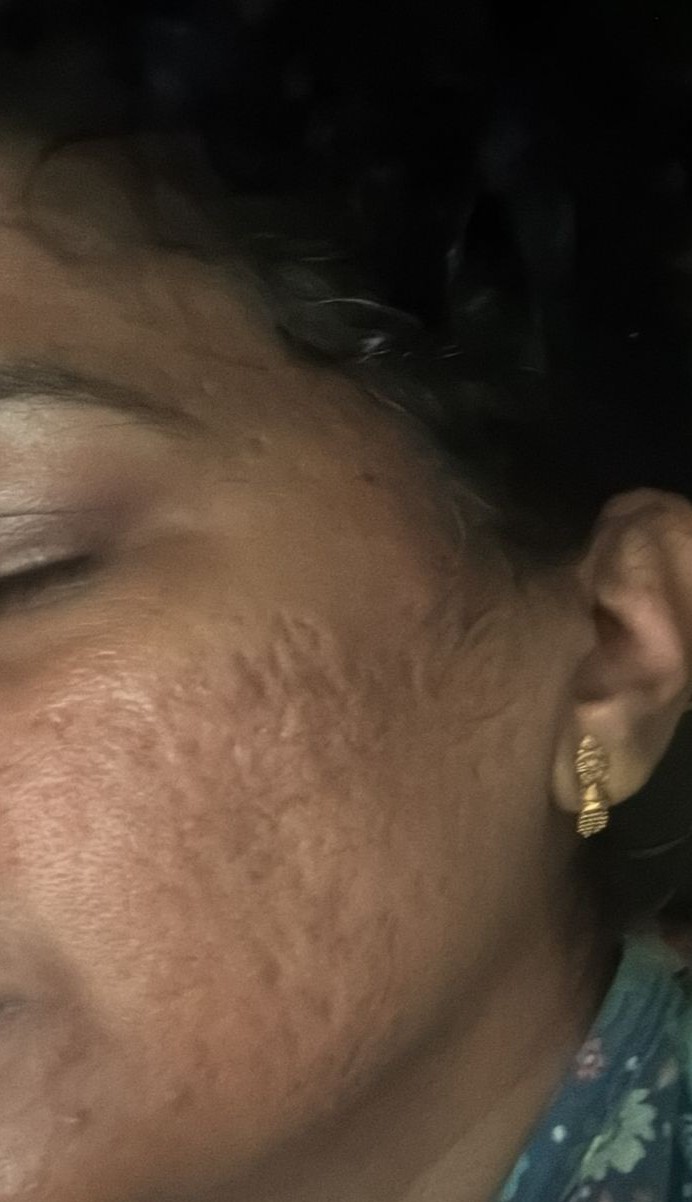
● Anatomy: Wide (4–5mm), undulating divots that create a sloping, "rolling" appearance across the cheeks and jawline.
● Pathology: These are uniquely dynamic. Thick, fibrous bands (collagen anchors) form in the deep subcutis, physically pulling the overlying skin down toward the deep fascia.
3. The Dr. Mark B. Taylor Multimodal Paradigm
Historically, patients underwent dozens of superficial procedures with negligible improvement because the deep anchors were left untouched. Dr. Mark B. Taylor, a globally renowned pioneer in cosmetic laser surgery and acne scar revision, fundamentally changed the treatment landscape. He recognized that since a single patient typically hosts a complex mix of ice pick, boxcar, and rolling scars simultaneously, the treatment must target multiple tissue layers in a single, synergistic session.
Dr. Taylor introduced a definitive protocol combining surgical subcision (using specialized high-heft instruments like the Taylor Liberator), deep volume restoration, and advanced chemical resurfacing. This combination releases fibrous anchors, fills deep tissue deficits, and planes down rough superficial borders all at once.
4. The Reconstructive Toolkit: Subcision, Fat Grafting, and Chemical Peels
At her Sarjapura Main Road facility, Dr. Amrika Seshadri executes this multimodal protocol with rigorous plastic surgery precision, utilizing a three-pronged structural approach:

1. Advanced Surgical Subcision
Using specialized, blunt-tipped micro-cannulas or high-strength subcision instruments, Dr. Amrika accesses the subcutaneous plane via tiny, hidden entry points. Moving parallel to the skin surface, she precisely sections the dense, fibrous bands that anchor rolling scars to the deeper facial fascia. Releasing these bands immediately lifts the skin, returning it to its natural contour.
2. Autologous Fat Grafting (Micro-fat & Nano-fat)
Releasing a scar tether leaves behind an empty subcutaneous pocket (dead space). If left empty, the body’s natural healing response will generate new scar tissue, pulling the divot right back down.
To prevent this, Dr. Amrika utilizes structural autologous fat grafting. Microscopic quantities of living fat cells are gently harvested from the patient's own body (e.g., abdomen or flanks), purified, and meticulously micro-injected beneath the released scars. This acts as a biological spacer to prevent re-tethering, while the rich concentration of adipose-derived stem cells (ADSCs) actively triggers long-term tissue remodeling.
3. Deep Focal Chemical Peels & Resurfacing
Once the structural foundations are leveled, the superficial textural defects (such as the sharp edges of boxcar and ice pick scars) are addressed. High-concentration Trichloroacetic Acid (TCA) is applied using the CROSS technique (Chemical Reconstruction of Skin Scars) directly into deep pits to stimulate localized collagen synthesis. This is paired with specialized peeling agents or targeted laser ablation to smoothly blend the scar borders into the surrounding skin.
5. The Patient Journey at a Level 3A Speciality Center
Undergoing advanced scar revision at Dr. Amrika's Aesthetics guarantees a clinical experience that aligns with international medical standards.
● Phase 1: High-Definition Morphological Mapping: Scars are evaluated under dynamic, angled, harsh lighting to map every single shadow, tether, and tissue deficit.
● Phase 2: High-Volume Tumescent Hydro-Dissection: The treatment zones are infiltrated with a specialized local anesthetic solution. This numbs the area completely while hydro-dissecting the tissue planes, separating blood vessels from scar bands to ensure a virtually bloodless, comfortable, and bruise-free procedure.
● Phase 3: Seamless Micro-Suture Closure: All micro-access entry ports are closed using ultra-fine, microscopic sutures following natural skin tension lines, ensuring the entry points themselves heal invisibly.
6. Post-Procedural Recovery & Dermal Remodeling Timeframes
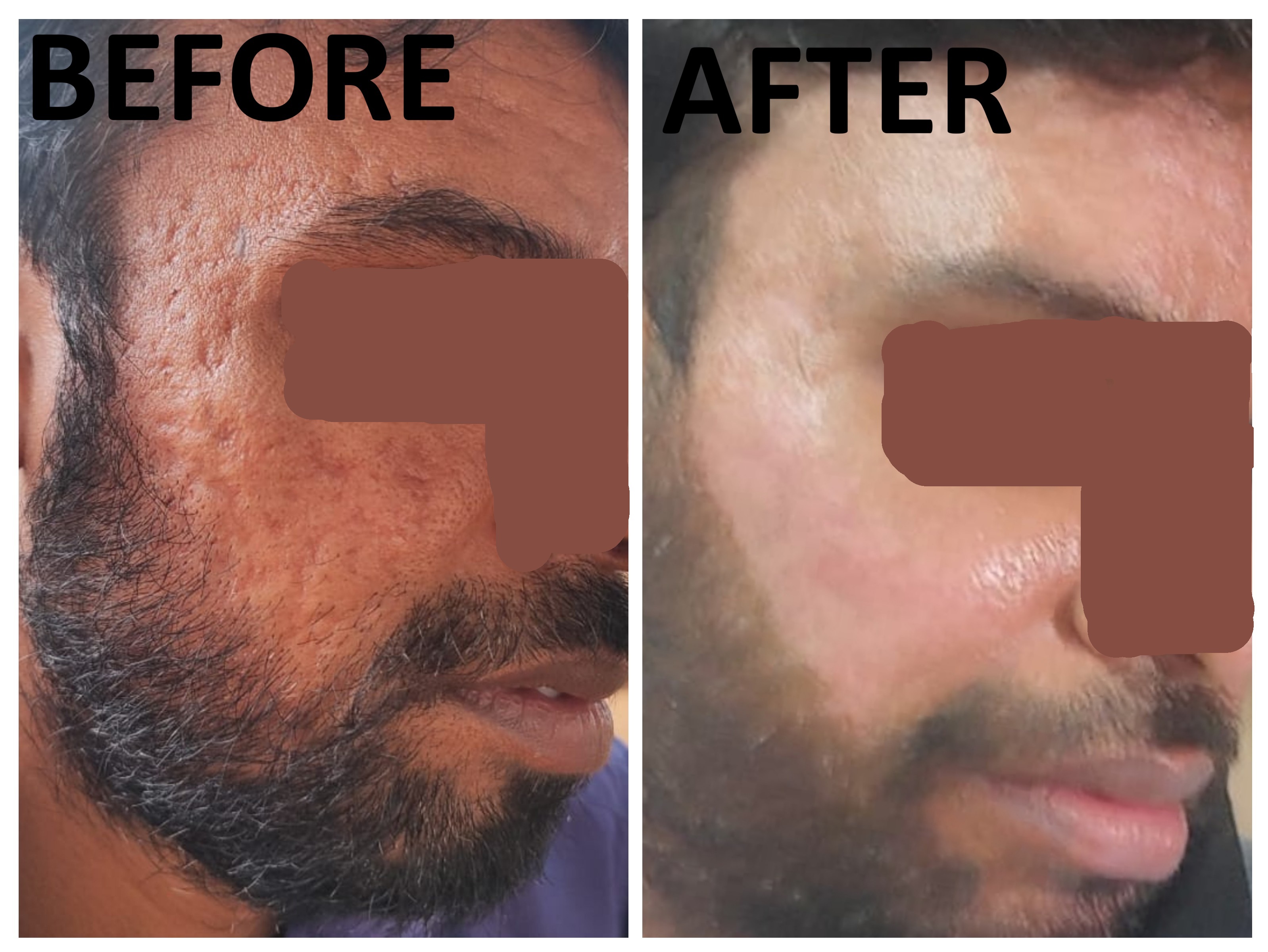
Because this combined protocol works deeply beneath the skin, understanding the healing timeline helps set clear, predictable expectations:
| Timeline | Healing Phase | Clinical Expectations & Instructions |
|---|---|---|
| Days 1 – 3 | Acute Inflammatory Phase | Expected swelling and light bruising due to subcision and fat grafting. Cleanse gently; apply prescribed ointments. |
| Days 4 – 7 | Epithelialization | Superficial peeling from chemical resurfacing begins. Do not pick skin flakes. Absolute UV protection is mandatory. |
| Weeks 2 – 4 | Neo-vascularization | Swelling subsides entirely. Transplanted fat cells establish a blood supply. Skin texture begins to look visibly smoother. |
| Months 2 – 6 | Collagen Remodeling | Deep dermal fibroblast activity peaks. The skin continuously self-corrects, revealing long-lasting, refined contours. |
The Longevity Protocol: Post-Op Care, Stable Weight, and Skincare Maintenance
The surgical mastery of releasing and filling facial divots is only the first phase of skin reconstruction. The true endurance of your results relies on how you protect, nourish, and stabilize your newly remodeled dermal foundation. At her Sarjapura Main Road facility, Dr. Amrika emphasizes a strict three-pillar longevity protocol.
Pillar 1: Rigorous Post-Operative Care (Weeks 1–4)
The immediate post-op window focuses on optimizing the survival of the transferred fat cells and controlling inflammation.
● Zero Pressure: Avoid sleeping on your face or applying firm pressure to the treated zones for the first 14 days. Fat grafts require a quiet environment to establish a new blood supply (neovascularization); physical compression can disrupt this delicate process.
● Controlled Cleansing: Wash the face with a gentle, non-actives cleanser using lukewarm water. Pat dry with a clean paper towel—never rub or scrub the skin while the chemical peel layers are remodeling.
Pillar 2: The Critical Requirement of a Stable Weight
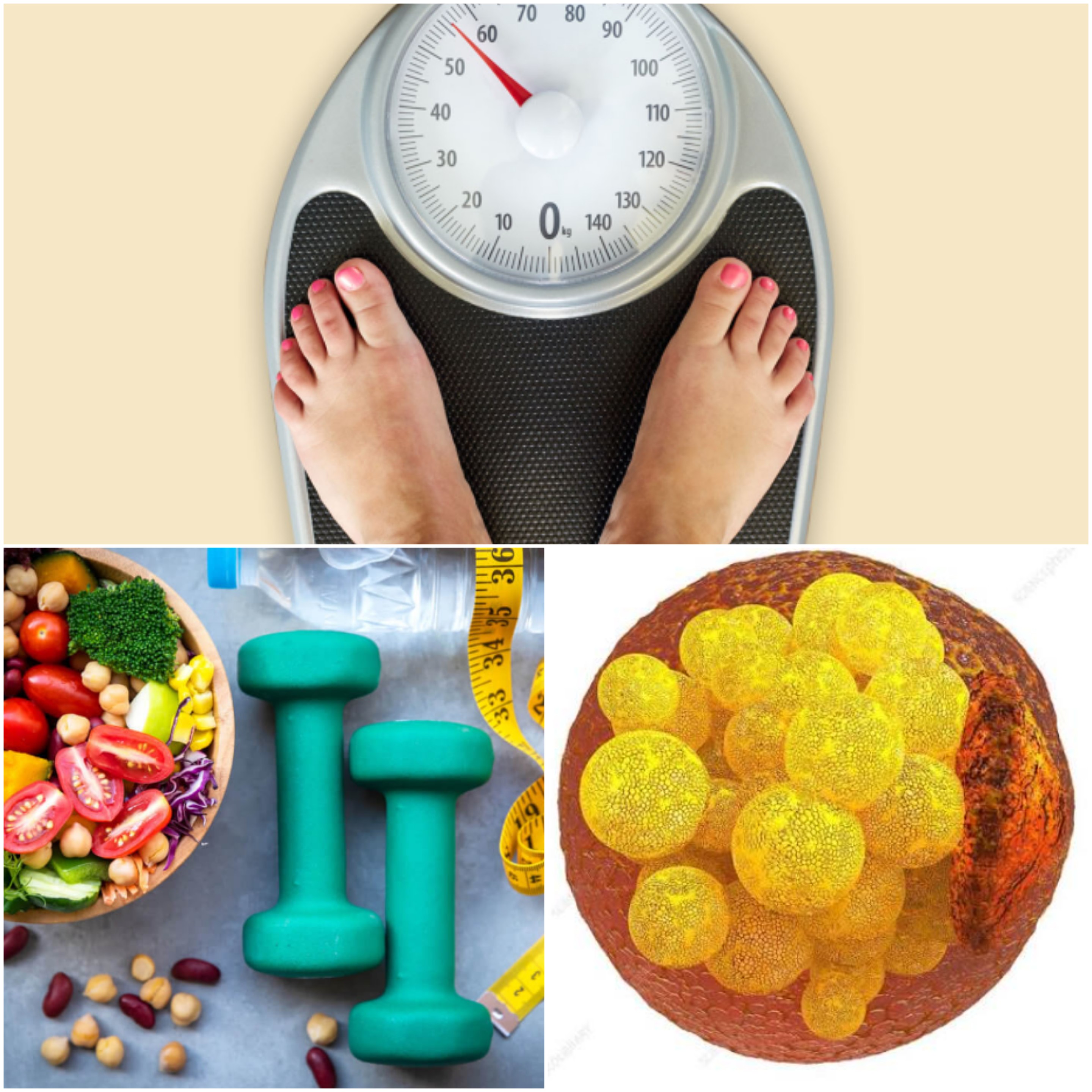
Because this multimodal paradigm utilizes autologous fat grafting to permanently structuralize your skin, maintaining a stable body weight is highly critical.
● Metabolic Mirroring: The micro-fat and nano-fat cells transferred to your facial divots behave exactly like the fat cells on your abdomen or thighs. If you undergo significant weight loss after the procedure, the grafted fat cells in your face will shrink, potentially causing the old depressions to subtly reappear.
● Contour Preservation: Conversely, significant weight gain can cause the grafted zones to expand disproportionately. To keep your facial contour perfectly smooth, uniform, and balanced, patients should ideally be at a stable, maintainable weight before scheduling surgery and commit to avoiding extreme dietary fluctuations afterward.
Pillar 3: Protecting Your Results with a Customized Skincare Routine
Once the skin has fully re-epithelialized (typically by week 3), a specialized topical regimen is introduced to accelerate collagen synthesis and prevent new acne breakouts from threatening your clear foundation.
| MORNING (Protect & Prevent) | EVENING (Repair & Regenerate) |
|---|---|
| Gentle Hydrating Cleanser | Gentle Hydrating Cleanser |
| Topical Vitamin C (Antioxidant) | Prescribed Retinoid / Retinol |
| Non-Comedogenic Ceramide Moisture | Hyaluronic Acid & Peptide Complex |
| Broad-Spectrum Zinc Oxide SPF 50+ | Barrier Repair Cream |
● Broad-Spectrum Sun Protection (Non-Negotiable): Freshly resurfaced skin is highly vulnerable to UV radiation, which actively degrades new collagen and triggers hyperpigmentation. A medical-grade, non-comedogenic zinc oxide sunscreen with SPF 50+ must be applied daily.
● Retinoids and Collagen Catalysts: Integrating a prescribed retinoid (such as Tretinoin or retinol) stimulates continuous epidermal turnover and prevents follicular plugging, ensuring active acne does not return to create new scars.
● Barrier Fortification: Hyaluronic acid, peptides, and ceramides should be applied generously to lock in deep hydration, reinforcing the skin's moisture barrier and maintaining a plump, smooth surface texture.
7. Extensive Patient FAQ Database
Q1: Why can't microneedling or fractional lasers fix deep facial divots on their own?
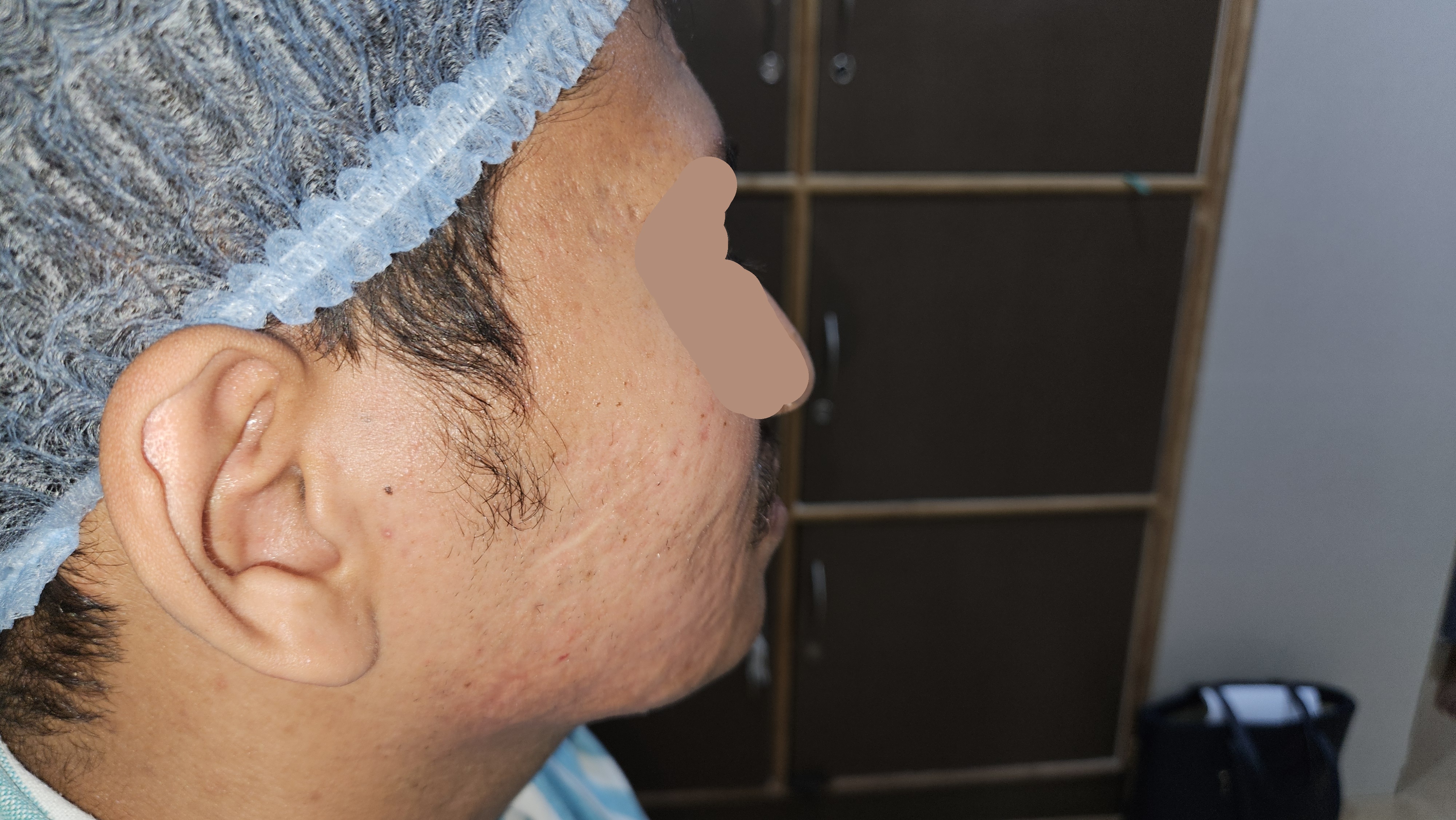
A: Microneedling and lasers work primarily on the upper layers of the skin (the epidermis and upper dermis). While they are effective for shallow texturing and pigmentation, they cannot reach or sever the deep, thick fibrous bands that physically anchor rolling scars to the facial muscle and fascia. Treating a tethered scar with only a laser is like trying to flatten a tent without releasing the internal guy-wires. A surgical subcision is required to free the skin before any surface resurfacing can be effective.
Q2: What makes Dr. Mark B. Taylor’s multimodal approach superior to individual treatments?
A: Dr. Taylor’s paradigm shifts the strategy from isolated, piecemeal sessions to an all-in-one comprehensive intervention. By combining subcision (releasing the anchor), fat grafting (filling the deficit and preventing recurrence), and peeling/resurfacing (smoothing the edges) in a single clinical session, the procedures work synergistically. The downtime is consolidated, and the cosmetic outcome is significantly enhanced compared to spacing the treatments over several years.
Q3: How does autologous fat grafting prevent acne scars from returning?
A: When a fibrous scar band is severed during subcision, a raw healing space is created beneath the skin. Without a physical barrier, the body's natural healing response will simply deposit new scar tissue across that gap, re-tethering the divot within a few weeks. Injecting micro-fat or nano-fat cells creates an immediate, natural structural cushion that blocks re-tethering. Furthermore, the regenerative stem cells within your own fat continuously remodel the damaged extracellular matrix for months after the procedure.
Q4: Is the procedure painful? Will I need to be put to sleep?
A: The entire procedure is performed under local tumescent anesthesia, meaning you are fully awake, comfortable, and safe. Dr. Amrika utilizes a highly specialized, diluted numbing solution infiltrated gently across the facial planes. Once administered, you will feel absolutely zero sharp sensations or pain during the subcision or fat-harvesting process.
Q5: What exactly does a Level 3A Speciality Center signify for my treatment?
A: A Level 3A classification indicates a premium medical center equipped with advanced day-surgery suite, strict operational sterility parameters, specialized tissue-purification systems for fat grafting, and dedicated recovery bays. This infrastructure minimizes any risk of cross-contamination or infection, ensuring your procedure is executed with hospital-grade safety in a private clinic setting.
Q6: How long do the results of this combined therapy last?
A: The results are considered permanent and long-lasting. Once a scar band is surgically released and the empty space is stabilized with your body's own living fat cells, the structural elevation of the skin contour remains permanent. While your skin will continue to age naturally over time, the treated acne divots will not collapse back down.
Q7: What is the downtime, and when can I return to work?
A: Because this is an intensive, highly effective structural procedure, you should expect a social downtime of roughly 5 to 7 days. Mild to moderate swelling, localized redness, and light bruising are completely normal during the first week as the skin heals. Most patients return to desk jobs and light daily routines within 4 to 5 days, using light tint or mineral cover-up once the superficial skin layer has fully sealed.
Q8: How many sessions will I need to see optimal scar minimization?
A: Thanks to the highly efficient nature of the Taylor paradigm, many patients achieve dramatic, life-changing improvements in just 1 to 2 sessions. This contrasts sharply with standalone lasers or microneedling, which often require 6 to 10 rounds. The exact number of sessions depends on the severity, density, and fibrotic nature of your specific scarring, which Dr. Amrika maps out thoroughly during your structural consultation.
Q9: Can this procedure be safely performed on dark or melanin-rich Indian skin tones?
A: Yes, but it requires the specialized hands of an experienced plastic surgeon. Melanin-rich skin tones are highly prone to Post-Inflammatory Hyperpigmentation (PIH) if surface lasers or deep global peels are applied incorrectly. Dr. Amrika manages this risk by focusing her energy deeply beneath the skin surface via subcision and fat grafting, while utilizing highly controlled, localized focal peels (like TCA CROSS) specifically inside the scar pits, keeping the surrounding healthy skin entirely protected.
Q10: When is the right time to seek treatment? Can I undergo surgery while I still have active acne pimples?
A: Deep structural scar revision should only be initiated once active acne is fully under control and stabilized. Performing subcision or fat grafting through areas of active, inflammatory cystic acne risks spreading bacteria into deeper facial spaces, which can trigger infections and lead to further scarring. Our priority is to first treat and quiet any active breakouts before creating your customized scar reconstruction roadmap.
Q11: Will losing weight alter the results of my acne scar fat grafting?
A: Yes. Because autologous fat grafting transfers living fat cells from your body to your face, these cells retain their original metabolic memory. If you experience drastic weight loss, those facial fat cells will lose volume, which can diminish the smooth, plumped outcome of your scar revision. Maintaining a stable weight ensures your reconstructed contours stay perfectly level.
Q12: How soon after the multimodal procedure can I resume my regular acne skincare routine?
A: You must completely pause all active skincare ingredients—including Retinol, Salicylic Acid, Glycolic Acid, and Vitamin C—for at least 10 to 14 days post-procedure, or until the superficial skin has completely closed and peeled. Introducing harsh acids too early can cause severe chemical burns, prolonged redness, and scarring. Dr. Amrika will carefully examine your skin at your follow-up appointment and provide a precise, staggered schedule for reintroducing your actives safely.
Q13: What is the difference between the Taylor Liberator and a standard subcision needle?
A: Standard subcision is often performed with a Nokor needle, which is a small, short sharp blade. Because it is short, it requires multiple puncture points across the cheek and can cause significant focal bleeding and bruising. The Taylor Liberator, designed by Dr. Mark B. Taylor, is a highly specialized surgical steel instrument that requires only a single, tiny entry point hidden in the sideburn area. Its notched, semi-sharp tip is uniquely engineered to snare and cleanly divide tough, deep fibrous bands across the entire cheek and jawline far more efficiently than a standard needle or a completely blunt cannula.
Q14: Can the Taylor Liberator cause facial sagging or drop my expressions?
A: If performed by an untrained practitioner in the wrong tissue plane, there is a risk of disrupting deep anchoring facial ligaments. However, when executed by an experienced plastic surgeon like Dr. Amrika, the risk is mitigated. By Utilizing high-volume tumescent anesthesia, she hydro-dissects a very specific, safe plane between the dermis and the fat layer. This creates a clear buffer zone, ensuring the instrument only targets the abnormal scar tethers while leaving the deep structural ligaments completely untouched.
Q15: Where does the fat for grafting come from, and how is it processed?
A: The fat is typically harvested from areas with stable fat reserves, such as the lower abdomen, flanks, or inner thighs, using a gentle micro-liposuction technique. Once harvested, the tissue is processed with the patented Tulip Fat Processing System from USA inside our Level 3A facility. This separates the pure, living micro-fat and nano-fat cells from fluids and oils, ensuring only the highest quality regenerative cells are grafted back into your facial divots.
Q16: Will I have scars on my abdomen or thighs from where the fat was taken?
A: No. The micro-cannulas used to harvest the fat cells require an incision that is less than 2–3mm in diameter. These tiny entry points are placed in discrete locations (such as inside the belly button or along the natural bikini line) and are closed meticulously. Once healed, they fade into near-invisibility.
Q17: What should I do if my face feels numb for a few weeks after the procedure?
A: Mild, transient numbness or a "wooden" sensation across the cheeks and temples is a common and expected side effect following extensive subcision with the Taylor Liberator. This occurs because the local nerves are temporarily stretched or stunned during the physical release of the dense scar bands. This sensation is completely temporary and resolves on its own over a few weeks to months as the tissue heals.
Q18: Can TCA CROSS be combined with subcision on the exact same day?
A: Yes. Under the Taylor multimodal protocol, combining these therapies on the same day is highly intentional. While subcision lifts the wide, rolling depressions from below, TCA CROSS targets the narrow, vertical ice pick or deep boxcar scars from above by triggering localized, intense collagen synthesis inside the pit. Layering these procedures simultaneously maximizes the cosmetic refinement of all scar types at once.
Q19: How long do I need to avoid the sun after this combined reconstruction?
A: You must strictly avoid direct sun exposure for the first 2 weeks while the skin is actively peeling and re-epithelializing. After 2 weeks, you can resume outdoor activities provided you apply a broad-spectrum medical-grade SPF 50+ sunscreen and wear a wide-brimmed hat. Protecting the healing skin from UV rays is essential to prevent Post-Inflammatory Hyperpigmentation (PIH).
Q20: If I have historically struggled with keloids, am I a candidate for this surgery?
A: Patients with a true history of hypertrophic scarring or keloids require deep evaluation. Because subcision and fat grafting work deeply beneath the skin rather than creating long external incisions, the risk of external keloid formation is lower. However, Dr. Amrika maps your tissue response carefully during your consultation and may adjust the resurfacing and peeling parameters to guarantee safe, controlled dermal healing.
Q21: Who is the best doctor in Bengaluru for Acne Scar Removal?
A: Dr. Amrika Seshadri has very good results in dark tone Indian skin for this procedure. However, the title of best doctor is subjective. Choose the surgeon who will not gaslight you or make promises of things like Korean glass skin (unachievable) or 100% results (again, unachieveable). At Dr. Amrika’s Aesthetics, we ensure transparent pricing, realistic outcomes and deep satisfaction with results.
Q21: How much does it cost for this procedure in Bengaluru?
A: Depending on how extensive the scars are, the price of this procedure is between Rs. 59,000 and Rs. 69,000 as an all inclusive package- surgery, medication, post-operative products and post-operative care for 6 months.
8. Conclusion & Call to Action: Reclaim Your Skin's Smooth Foundation
You do not have to settle for the permanent shadows, uneven textures, and emotional weight of severe acne scarring. Dr. Mark B. Taylor’s revolutionary multimodal paradigm proves that even the deepest facial divots can be systematically undone through precise, layered, and anatomically sound reconstruction.
By trusting your skin to Dr. Amrika Seshadri, you gain the security of an expert Plastic Surgeon with 11 years of proven reconstructive standing. From her state-of-the-art Level 3A Speciality Center on Sarjapura Main Road, Dr. Amrika combines the physical release of subcision, the living volume of autologous fat grafting, and the smoothing refinement of advanced peels to deliver the smooth, flawless, and long-lasting results your skin deserves.
Take control of your profile and step into a life of uncompromised confidence. Schedule your private, high-definition scar mapping consultation today.